

Blab
- 2024.08.02
- Touch Test Project Launched

As part of the Neurodiversity Project, we are launching the Touch Test Project. The goal of this project is to measure tactile sensitivity and gain an understanding of each individual’s tactile characteristics. Just as an
eye exam evaluates visual function, the touch test is a tool for evaluating tactile function.The test results will help determine the possibility of tactile hypersensitivity or hyposensitivity. By identifying tactile characteristics early and implementing appropriate measures tailored to individual needs, we can provide effective support in educational and workplace settings, thereby improving the quality of daily life.
This is a joint project with Professor Minamizawa of KMD, an expert in tactile perception, and Professor Tanaka of Nagoya Institute of Technology.
As part of the touch test project, we are recruiting participants to help develop a touch test scale. We would be delighted if individuals who experience difficulties related to sensory perception would participate.
https://business.form-mailer.jp/fms/83ca05be251532プレスリリースhttps://prtimes.jp/main/html/rd/p/000000009.000126992.html以下, a bit more detail.
[Introduction
] Among the five senses that living organisms acquired early in evolution, the sense of touch is the most primitive and plays an extremely important role in our daily lives.It is precisely because of our sense of touch that we can detect danger through sensations such as heat, cold, and pain, and adjust the amount of force we apply when grasping objects. Furthermore, touch supports communication through which we convey emotions to one another via handshakes and hugs.It is said that Aristotle remarked that the height of human intelligence stems from the acuity of the sense of touch. It has been pointed out that a lack of tactile stimulation during early childhood can delay the development of perception and cognition, and may lead to difficulties with self-control due to a lack of emotional experiences. This further underscores the importance of the sense of touch.In recent years, scientific understanding of the sense of touch has advanced, and individual differences are becoming increasingly clear. Understanding these individual differences in the sense of touch makes it possible to provide education and medical care tailored to sensory characteristics, and to develop artificial objects and environments—such as tools, clothing, and spaces—that are adapted to individual tactile characteristics. This enables the creation of more comfortable lives that are optimized for each individual.The touch test was developed with the goal of improving the quality of life for each individual by understanding individual differences in tactile perception and adopting appropriate approaches.
[
What Is a Touch Test?] A touch test is an examination designed to measure tactile sensitivity. The purpose of this test is to assess the acuity of the sense of touch and to understand an individual’s specific tactile characteristics. Just as a vision test evaluates the state of one’s vision, a touch test is a means of evaluating the state of one’s sense of touch.
The test results help determine the possibility of tactile hypersensitivity or tactile hypoesthesia. By identifying tactile characteristics early and implementing appropriate measures tailored to individual needs, effective support can be provided in educational and workplace settings, thereby improving the quality of daily life.
Reference: Defined as follows.
Tactile sensation: The sense of perceiving external stimuli through sensory receptors in the skin.
Tactile sensitivity: The brain’s ability to process tactile sensations. The sensitivity of the sense of touch.
[Challenges Related to Tactile Sensation] Challenges related to
tactile sensation include both tactile hypersensitivity and tactile hypoesthesia, each of which can affect daily life in different ways. The following are examples of such challenges.
■In Cases of Tactile Hypersensitivity
1. Discomfort Caused by Clothing
: Contact between the skin and the fabric, tags, or seams of clothing can cause severe discomfort. In some cases, people are unable to wear certain types of clothing and must always choose garments made of soft materials.
2. Avoiding
Physical Contact with Others: Normal social interactions, such as handshakes and hugs, can be distressing. As a result, people may begin to avoid physical contact with others, which can limit their social interactions.
3. Restrictions
on Choosing Daily Necessities and Living Environments: Because certain materials or textures in furniture, bedding, towels, and other items may cause discomfort, choices regarding daily necessities may be limited. This complicates daily life and increases stress.
4. Eating Difficulties
: Because they are overly sensitive to the texture and temperature of food, eating can become difficult. As a result, the range of foods they can eat may be limited, which can lead to nutritional imbalances.
5. Excessive Stress and Fatigue
: When you constantly have to make an effort to avoid tactile stimuli in your daily life, mental stress and fatigue can build up. Spending long periods of time in an environment where tactile sensitivity is high can lead to feelings of excessive fatigue.
6. Decreased
Concentration: Because they are constantly distracted by tactile stimuli, their concentration may be impaired. This can affect their performance in school or at work.
7. Sleep Disorders
: Because the feel of the bedding may be uncomfortable, it can be difficult to fall asleep or you may wake up frequently. As a result, you may not get enough sleep, which can affect your daytime activities.
8. Emotional Impact
: Persistent discomfort and stress caused by tactile hypersensitivity can lead to emotional anxiety, irritability, and sometimes depression. This can result in a decline in overall quality of life.
■In Cases of Tactile Hypesthesia
1. Reduced Safety
: As the sense of touch becomes less sensitive, it becomes harder to feel heat, cold, or pain caused by sharp or hard objects. As a result, you may be more prone to injuries such as burns or cuts, and may have difficulty recognizing dangerous situations.
2. Difficulty Handling Objects: When
tactile sensitivity decreases, it becomes difficult to adjust the amount of force used when grasping objects. As a result, people are more likely to drop or break things, and fine motor tasks become difficult.
3. Difficulty Aware of One’s Own Physical Condition: When
tactile sensitivity is diminished, it becomes difficult to accurately perceive the position and movement of one’s own body. This can make it easier to lose balance and may lead to a decline in motor skills.
4. Inconveniences
in Daily Life: When tactile sensitivity is diminished, everyday tasks such as pressing buttons or tying shoelaces can become difficult. Additionally, because it becomes harder to sense the texture of food while eating, the enjoyment of meals may diminish.
5. Communication Limitations
: Tactile sensation is also important for communication through physical interaction and contact with others. Difficulties in conveying emotions through physical contact, such as handshakes or hugs, may affect communication.
6. Difficulty Regulating Body Temperature: When tactile
insensitivity makes it difficult to sense changes in temperature, it becomes hard to choose appropriate clothing and regulate body temperature. As a result, it becomes difficult to adapt to cold or heat, which can lead to health problems.
7. Challenges in Medical Care and Health Management:
Hypoesthesia makes it difficult to perceive pain or discomfort, which makes it hard to detect health problems early on. This increases the risk of delays in treating illnesses or injuries.These challenges related to
tactile sensation can significantly impact an individual’s quality of life, making it important to implement appropriate support measures—such as adapting the environment to accommodate sensory characteristics and seeking support from specialists.
[
Types of Tactile Force] Tactile sensation (skin sensation) consists primarily of sensations elicited by stimuli such as pressure, vibration, and temperature. This test measures tactile forces related to vibration perception, which primarily enables the recognition of texture. Vibration perception allows for the detection of collisions and the identification of an object’s texture, and it also plays a role in grasping and manipulating objects.
[Changes in Grip Strength
] Grip strength varies depending on physical factors such as age and health status, mental factors such as stress and mental disorders, and environmental factors such as temperature, humidity, and atmospheric pressure.
Furthermore, while some changes—such as those related to age or chronic diseases—are permanent, others—such as those caused by stress or fatigue—are temporary.
For now, our goal is to develop an assessment tool that allows us to determine whether a person requires
medical intervention, rehabilitation, reasonable accommodations in daily life, or has no difficulties in daily life.
Profile
-


Digital Picture Book Author Professor, Keio University; Ph.D. (Policy and Media)
Director, B Lab
Chairperson, Learning of Tomorrow (General Incorporated Association)
Chairperson, CANVASAfter graduating from the Faculty of Engineering at the University of Tokyo, he served as a visiting researcher at the MIT Media Lab before founding the NPO CANVAS and the Learning of Tomorrow Association, a General Incorporated Association, and assuming the role of representative. He serves as an outside director for Matsuya Co., Ltd., Fuji Media Holdings, Inc., and Digital Garage, Inc.
He has served on various government committees, including the Information and Communications Council of the Ministry of Internal Affairs and Communications, as well as the NHK Central Broadcasting Program Council. He also serves as a director of the Digital Signage Consortium, among other roles. He holds a Ph.D. in Policy and Media.
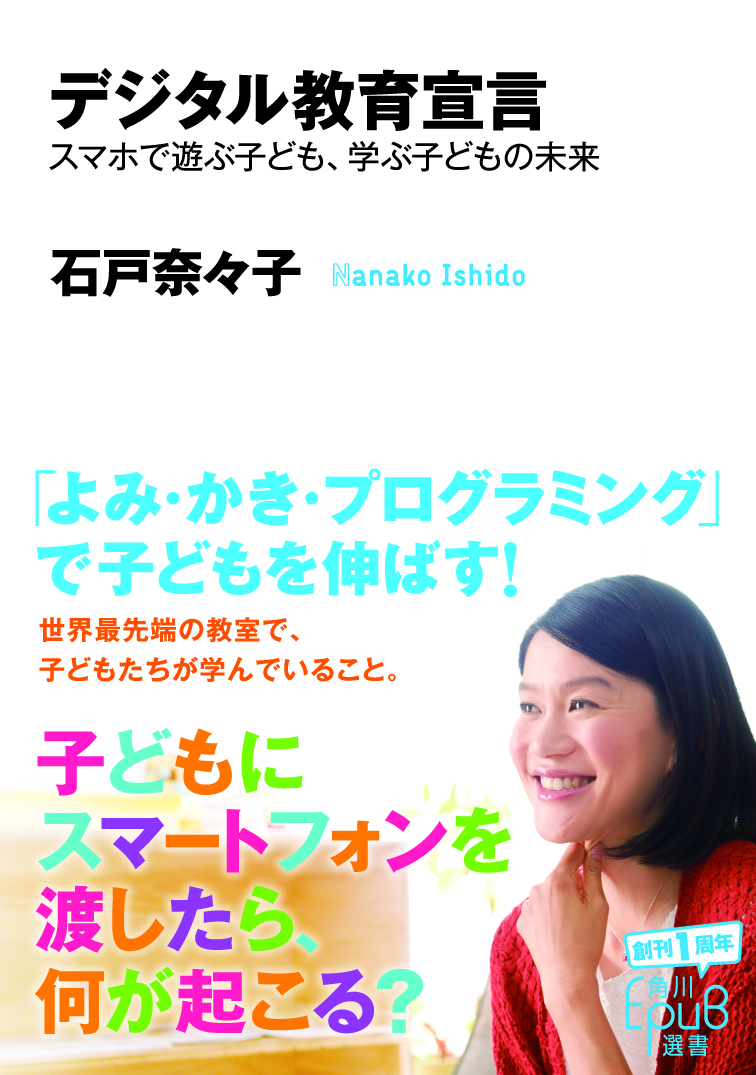
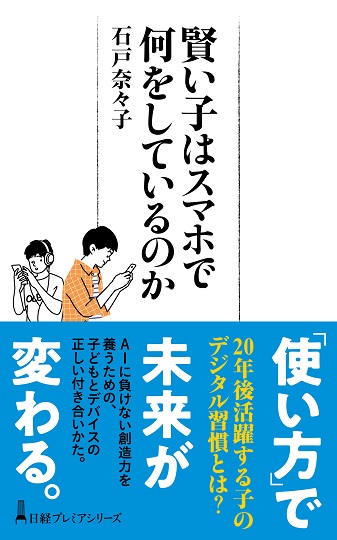
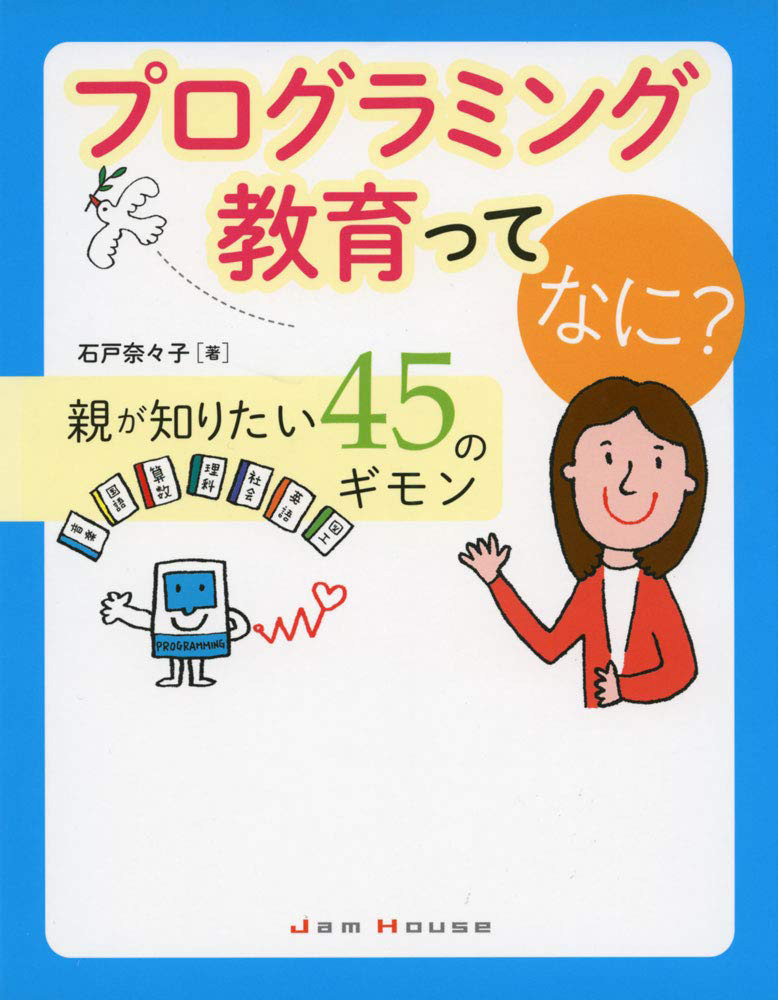
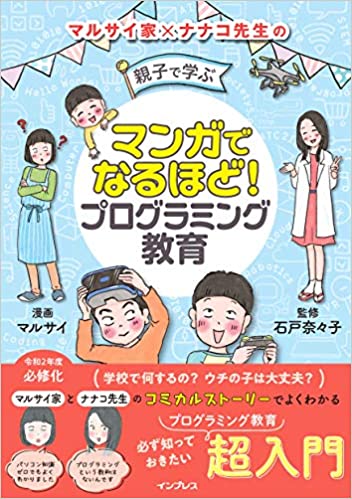
His publications include *Turning On Children’s Creativity!*, *What Are Smart Kids Doing on Their Smartphones?*, *The Forefront of Online Education in Japan: Considering Learning in the Post-COVID Era*,“What Is Programming Education? 45 Questions Parents Want to Know,” and “Declaration on Digital Education.” He has also provided supervision for numerous works, including “Ah, I See! Programming Education for Parents and Children Through Manga.”




























4052047885.jpg )