

Other
- 2021.05.17
- NHK Central Broadcasting Program Council
I attended the Mobility Consortium General Meeting, where I gave a five-minute speech from 3:53 to 3:58, and then went to the NHK Central Broadcasting Program Council meeting at 4:00. This was only possible because it was held online.
It’s been a year since the NHK Central Programming Review Committee started holding its meetings online. Some people have said they miss the informal get-togethers after the meetings—which used to take place every month when we met in person—but while I’d certainly like to meet everyone face-to-face, considering how hard it is to coordinate schedules, I think a hybrid format is the way to go from now on (*^^*)
So, here’s a post with some notes on the series review—my first in a while.
Today, I commented on the COVID-19 news coverage, "Close-Up Gendai," and the 60th anniversary of "Minna no Uta."
■Regarding COVID-19 Coverage
When it comes to COVID-19 news coverage, reports are still being broadcast stating, for example, that “Prefecture X reported X new cases today, ranking Xth in the history of the pandemic.” However, I feel that the “significance” of these figures isn’t being explained. If the number is 1,000, it’s hard to tell whether that’s a lot or a little.
Even if there were 10,000 people, it might not be a problem if there were 100,000 available hospital beds.
Meanwhile, there are no reports on the status of measures to address the more critical issue of the shortage of hospital beds. There are also no reports on the status of efforts to secure vaccines, the availability of vaccines, or vaccination rates. And so, a year has passed.
I’ve heard that countries with high infection rates, like the U.S. and the U.K., are regaining a sense of normalcy thanks to their early vaccination efforts. Even when I watch Major League Baseball games, I see that many spectators are enjoying the games without masks!!!
While scrutiny and criticism of the government’s and local governments’ COVID-19 countermeasures have been growing, the media’s coverage has also had a significant impact on public anxiety and the economic strain. I’m curious to know how this is being evaluated and scrutinized.
■Close-Up Gendai: “Report: Juvenile Detention Centers—What’s Happening at These Rehabilitation Facilities?”
Juvenile detention centers, which in the past were places for antisocial, powerful individuals, have now become places for socially vulnerable people—such as those with developmental disabilities or victims of abuse—who, due to the hardships they face, have become desperate and committed crimes, or who have been exploited and forced to participate in criminal activities.That is precisely why the role expected of juvenile detention centers has changed; they are now places where staff work closely with each individual to heal their wounds and help them learn how to build relationships. However, the program raised the issue that even if a juvenile is temporarily placed in a detention center, they will inevitably return to a life of crime once they re-enter society if there are no people or places willing to accept and support them.It was an excellent program in that it used the children spending time in juvenile detention centers to draw attention to complex social issues. While this episode focused on how to prevent social exclusion after leaving the juvenile detention center, create an environment where each individual can live more easily, and protect them from reoffending, the reality is that social exclusion begins long before they turn to delinquency or crime.Unfortunately, children who would never have turned to delinquency in the first place if they had received appropriate welfare and educational interventions early on have ended up committing crimes. I believe this is the reality that the program brought to light.The program concluded by noting that while amendments to the Juvenile Law are moving toward harsher penalties, this is not a problem that can be solved simply by imposing harsher punishments—which I interpreted to mean that what is truly needed is early treatment and education. I sincerely hope the next episode will delve deeper into these issues.
I also saw online that the number of donors to a post-discharge rehabilitation support project run by an organization featured on the show has increased. However, now that the program has raised this issue, how can it encourage society to take action toward resolving it? I hope future episodes will be produced with this in mind.
■Minna no Uta 60
The collection of songs representative of each era constitutes an important cultural asset of the nation.
A legacy of television that seamlessly blends music and video.
I think one of the reasons it has lasted for 60 years is its timeless, brilliant name.
As the number of songs that everyone knows continues to dwindle, I watched the show feeling that *Minna no Uta* is one of the few bonds that unites the nation’s shared sense of the present.
Profile
-


Digital Picture Book Author Professor, Keio University; Ph.D. (Policy and Media)
Director, B Lab
Chairperson, Learning of Tomorrow (General Incorporated Association)
Chairperson, CANVASAfter graduating from the Faculty of Engineering at the University of Tokyo, he served as a visiting researcher at the MIT Media Lab before founding the NPO CANVAS and the Learning of Tomorrow Association, a General Incorporated Association, and assuming the role of representative. He serves as an outside director for Matsuya Co., Ltd., Fuji Media Holdings, Inc., and Digital Garage, Inc.
He has served on various government committees, including the Information and Communications Council of the Ministry of Internal Affairs and Communications, as well as the NHK Central Broadcasting Program Council. He also serves as a director of the Digital Signage Consortium, among other roles. He holds a Ph.D. in Policy and Media.
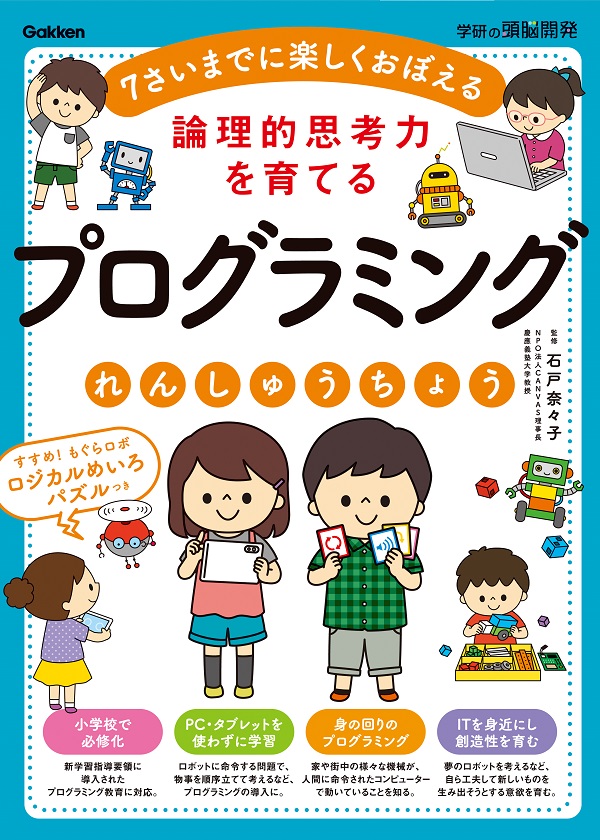
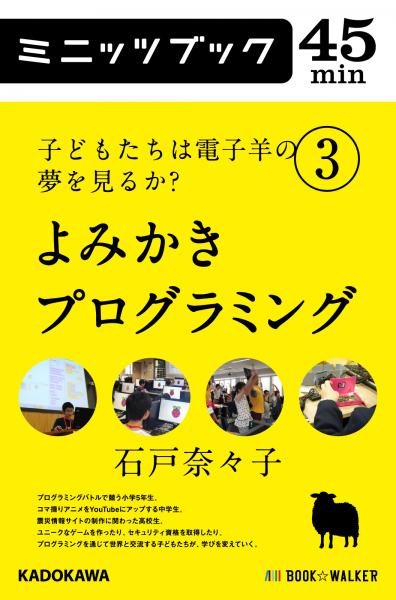
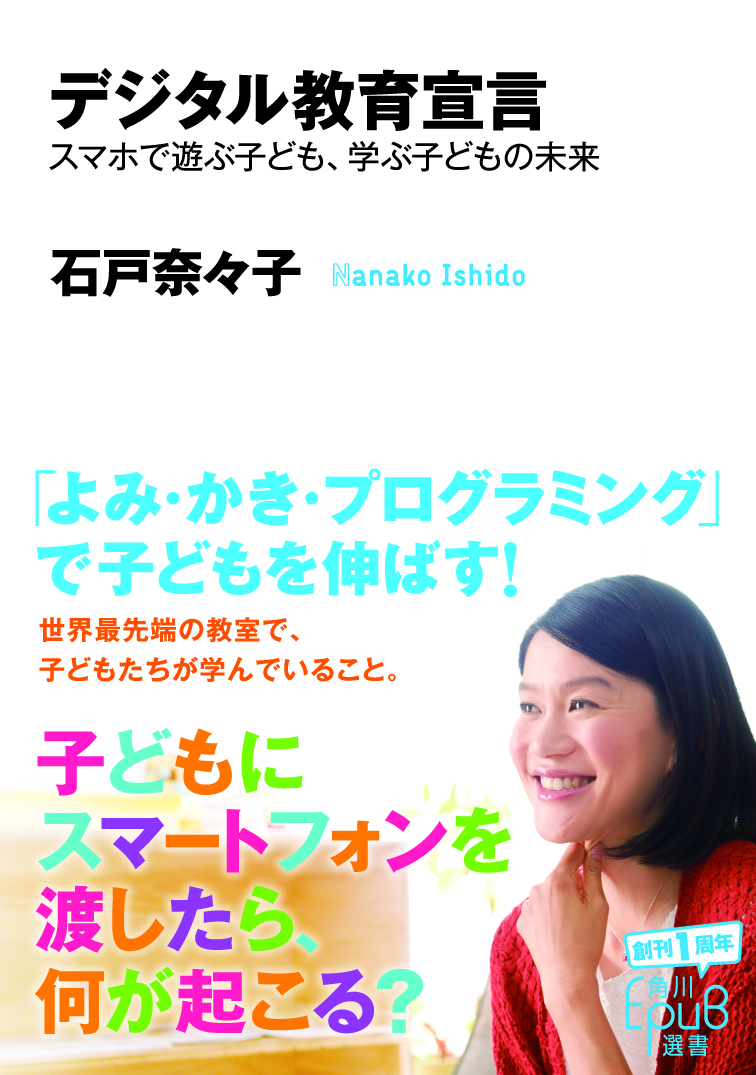
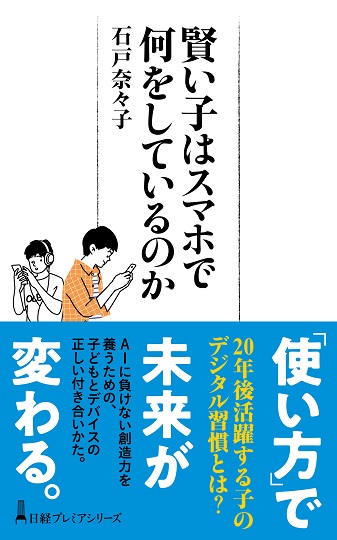
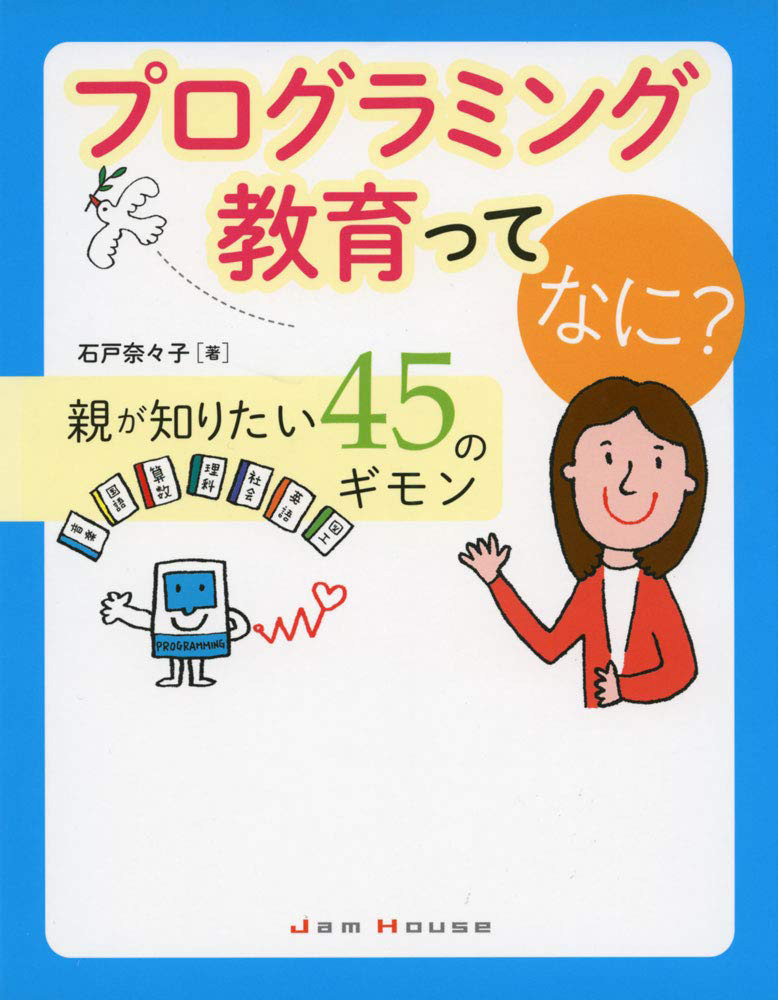
His publications include *Turning On Children’s Creativity!*, *What Are Smart Kids Doing on Their Smartphones?*, *The Forefront of Online Education in Japan: Considering Learning in the Post-COVID Era*,“What Is Programming Education? 45 Questions Parents Want to Know,” and “Declaration on Digital Education.” He has also provided supervision for numerous works, including “Ah, I See! Programming Education for Parents and Children Through Manga.”




















4052047885.jpg )