Learning of Tomorrow Hosts Event on “The Importance of Utilizing Learning History Data”
At the "Learning of Tomorrow" online lunch symposium held the day before yesterday, Vice President Yasuura of Kyushu University spoke about data and education.
Thank you for raising this point. Since Professor Yasuura has also joined the “Data × Education” Working Group under the “Learning of Tomorrow” initiative, we will continue our discussion based on the symposium’s proceedings.
Although the lectures have inadvertently shifted to an online format, this means we can collect data. Lecture recordings, test scores, responses to assignments, and the nature of questions asked—everything is recorded.
He points out that this year will mark a turning point in the global push for digital transformation in education. We will be able to scientifically analyze and improve education based on data.
Kyushu University has been collecting educational data since introducing BYOD in 2013.
We analyze students' learning behaviors during remote classes in real time and provide feedback to teachers to help improve instruction.
The results reportedly show that there is no significant difference in learning outcomes between these remote lectures and in-person classes.
Furthermore, simulations based on large-scale data have confirmed that optimizing the match between learning activities and teaching methods can lead to a 10–20% improvement in academic performance.
Although, at this stage, our efforts are limited to evaluating individual students’ learning outcomes and improving the quality of teachers’ lessons, our long-term goal is to realize learner-centered education by utilizing data across the entire spectrum—from elementary education to adult education—and throughout society as a whole.
Of course, protecting privacy is important when collecting data.
Future considerations include “establishing data interoperability with other organizations,” “ensuring anonymity,” and “standardizing educational data.”
Ultimately, we aim to build a national database of students' learning histories and promote science education through open data.
Professor, Keio University; Ph.D. (Policy and Media)
Director, B Lab
Chairperson, Learning of Tomorrow (General Incorporated Association)
Chairperson, CANVAS
After graduating from the Faculty of Engineering at the University of Tokyo, he served as a visiting researcher at the MIT Media Lab before founding the NPO CANVAS and the Learning of Tomorrow Association, a General Incorporated Association, and assuming the role of representative. He serves as an outside director for Matsuya Co., Ltd., Fuji Media Holdings, Inc., and Digital Garage, Inc.
He has served on various government committees, including the Information and Communications Council of the Ministry of Internal Affairs and Communications, as well as the NHK Central Broadcasting Program Council. He also serves as a director of the Digital Signage Consortium, among other roles. He holds a Ph.D. in Policy and Media.
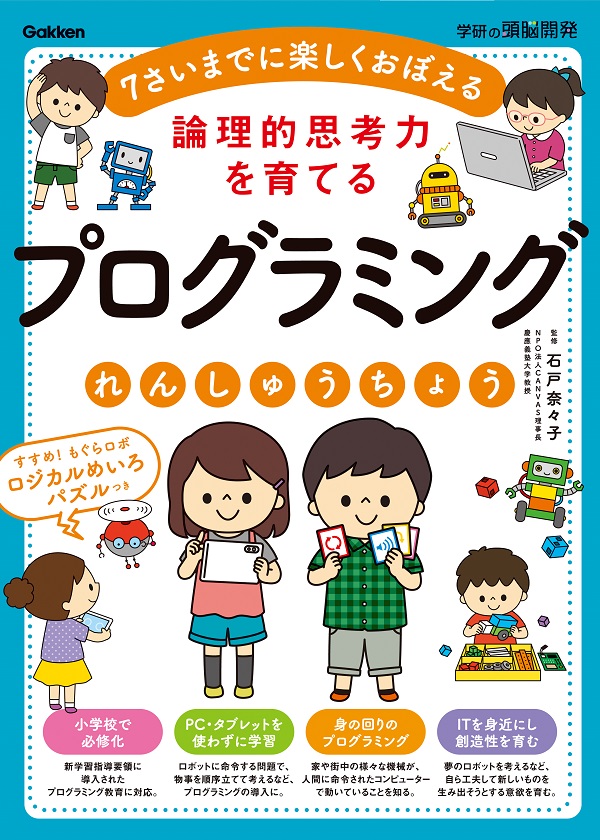
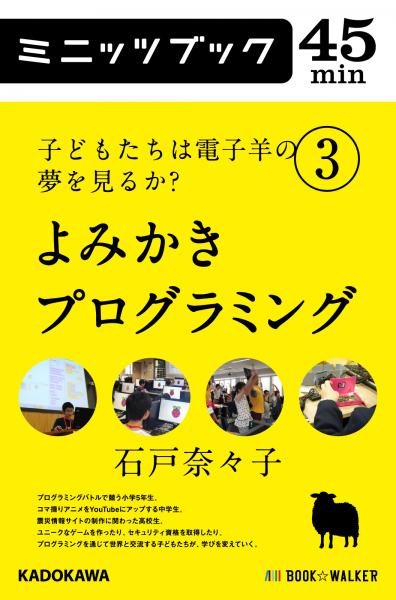
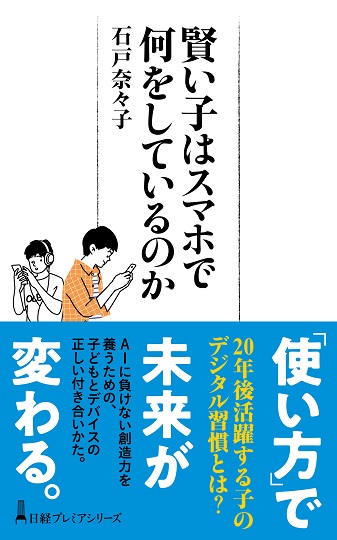
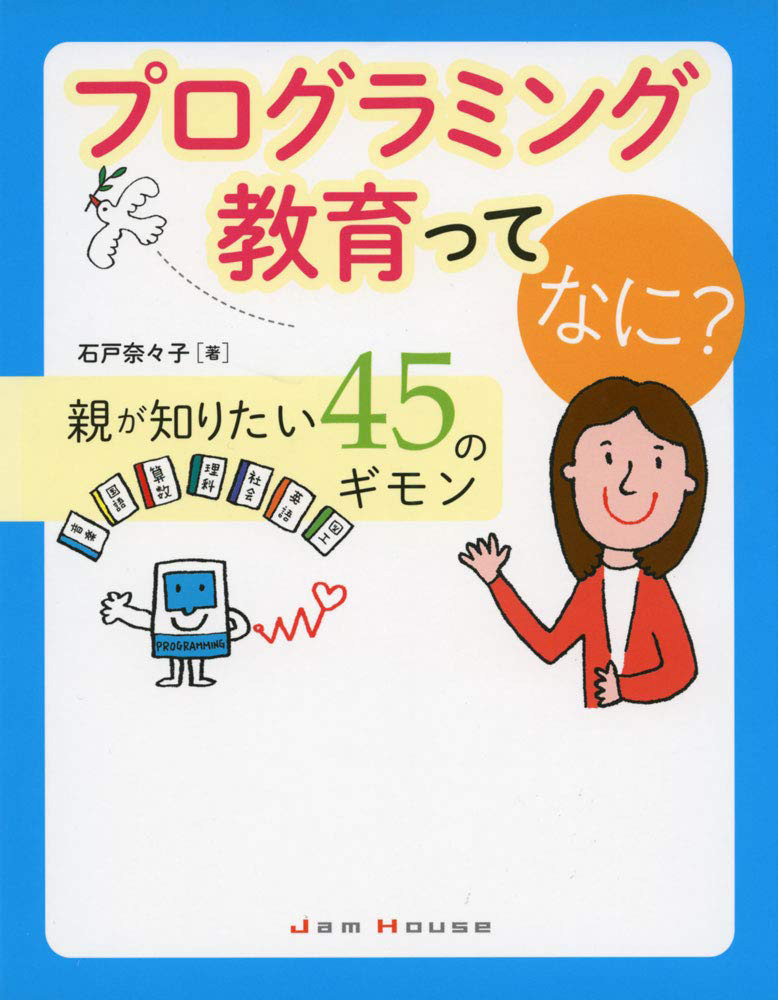
His publications include *Turning On Children’s Creativity!*, *What Are Smart Kids Doing on Their Smartphones?*, *The Forefront of Online Education in Japan: Considering Learning in the Post-COVID Era*,“What Is Programming Education? 45 Questions Parents Want to Know,” and “Declaration on Digital Education.” He has also provided supervision for numerous works, including “Ah, I See! Programming Education for Parents and Children Through Manga.”





 Learning of Tomorrow





















4052047885.jpg )