CREATIVE KIDS TOP  Other Emergency Economic Measures to Address the Novel Coronavirus (COVID-19) Pandemic




 Other Emergency Economic Measures to Address the Novel Coronavirus (COVID-19) Pandemic
Emergency Economic Measures for the Novel Coronavirus Pandemic. The following five points regarding distance learning have been included. These measures—which encompass not only fiscal measures but also regulatory reforms—are designed to rapidly raise the level of Japan’s educational digitization, which had previously progressed at a snail’s pace, leaving the country lagging behind other nations.We understand that the requests the Learning of Tomorrow Association and others have been making to the government for many years—including our “Statement on Promoting Online Education: All Classes Online,” issued in late March—have generally been adopted.We express our gratitude and respect to the Ministry of Education, Culture, Sports, Science and Technology (MEXT), the Ministry of Economy, Trade and Industry (METI), and all other relevant parties.
These measures will drastically transform the educational environment, and while implementing them will undoubtedly require tremendous effort, we hope this change will not end as a temporary measure but will instead lead to a permanent transformation.
https://www5.cao.go.jp/…/ka…/minutes/2020/0407/shiryo_01.pdf
The following is an excerpt from “Emergency Economic Measures for the Novel Coronavirus (COVID-19) – Protecting the Lives and Livelihoods of the People and Leading the Way to Economic Recovery”
With regard to distance learning, we will work to accelerate the schedule for providing one device per student by Reiwa 5—a goal set forth in the Comprehensive Economic Measures—support the deployment of ICT specialists in schools, and improve the communication infrastructure necessary for at-home and online learning. We will also aim to establish a platform that enables learning and assessment through practice exercises using PCs and other devices at home.Furthermore, we will promote the introduction of EdTech in schools and the development of online content to facilitate home-based education.Regarding the public transmission compensation system for educational purposes—which allows for the use of copyrighted works as teaching materials in online classes without obtaining individual permissions—we aim to begin provisional implementation in April of this year, while giving due consideration to the burden on the educational community.Furthermore, in preparation for situations where school closures are prolonged due to the spread of the novel coronavirus, hindering the implementation of the curriculum, we will take measures—as exceptional measures—to ensure educational opportunities for students.
(1) Urgent Deployment
of ICT Infrastructure: In implementing the supplementary budget to provide one PC or similar device per elementary and junior high school student, and in order to prevent the spread of the novel coronavirus so that students unable to attend school can participate in online classes from home or elsewhere using these devices, led by the Ministry of Education, Culture, Sports, Science and Technology (MEXT) in consultation with relevant ministries and agencies, to ensure that devices reach students as soon as possible and are made available for use, including the necessary network infrastructure. In doing so, it is necessary to take into account factors such as whether students have access to a PC, tablet, or similar device at home, and to ensure that devices are distributed on a priority basis to those who need them most.
2) Review
of Requirements for Remote Instruction: Currently, remote instruction is classified into three types: “joint class,” “teacher-assisted,” and “subject-enrichment.” However, in all three cases, the presence of a teacher at the receiving end is a mandatory requirement.For learning conducted by students via ICT from home, there is no teacher present on the receiving end; however, even in such cases, students will be recognized as participating in formal classes.
Furthermore, for the remote classes mentioned above, “simultaneous, two-way interaction” is currently a mandatory requirement. To create an environment where students can continue learning without restrictions on time or location, students will also be recognized as participating in formal classes when online educational content other than “simultaneous, two-way interaction” is used, depending on the lesson content.
(3) Relaxation
of Limits on the Number of Credits Earned Through Remote Instruction: For high schools, remote instruction is permitted “when the high school determines that it has educational effectiveness equivalent to in-person instruction,” but an upper limit (36 credits) is set on the number of credits that can be earned.Similarly, for universities, there is a limit of up to 60 credits out of a total of 124. We will adopt a more flexible approach to calculating the number of credits earned through these remote classes.
(4) Development of Online Curricula
: Online educational content (available on websites such as those of NHK, YouTube, and various educational institutions) is being expanded, and the Ministry of Education, Culture, Sports, Science and Technology (MEXT) is also featuring this content on its website and other platforms (*). We will work to enhance online curricula so that elementary, junior high, and high school students, as well as college students, can continue their studies from home or other locations. (*) Portal Site for Learning Support Content During Temporary School Closures (Children’s Learning Support Site) https://www.mext.go.jp/…/ikusei/gakusyushien/index_00001.htm
(5) Clarification of Copyright Requirements for Online Learning: A Law Amending the Copyright Act—which stipulates that the distribution of
digital materials generally does not require permission andThe Act to Partially Amend the Copyright Act—which establishes that the distribution of digital materials generally requires no permission and is subject to a compensation fee—is scheduled to take effect within three years of its promulgation (May 25, Heisei 30). We will implement this law immediately and, in preparation for full-scale implementation starting in fiscal year Reiwa 3, examine the necessary support measures to alleviate the burden of compensation fees.


Professor, Keio University; Ph.D. (Policy and Media)
Director, B Lab
Chairperson, Learning of Tomorrow (General Incorporated Association)
Chairperson, CANVAS
After graduating from the Faculty of Engineering at the University of Tokyo, he served as a visiting researcher at the MIT Media Lab before founding the NPO CANVAS and the Learning of Tomorrow Association, a General Incorporated Association, and assuming the role of representative. He serves as an outside director for Matsuya Co., Ltd., Fuji Media Holdings, Inc., and Digital Garage, Inc.
He has served on various government committees, including the Information and Communications Council of the Ministry of Internal Affairs and Communications, as well as the NHK Central Broadcasting Program Council. He also serves as a director of the Digital Signage Consortium, among other roles. He holds a Ph.D. in Policy and Media.
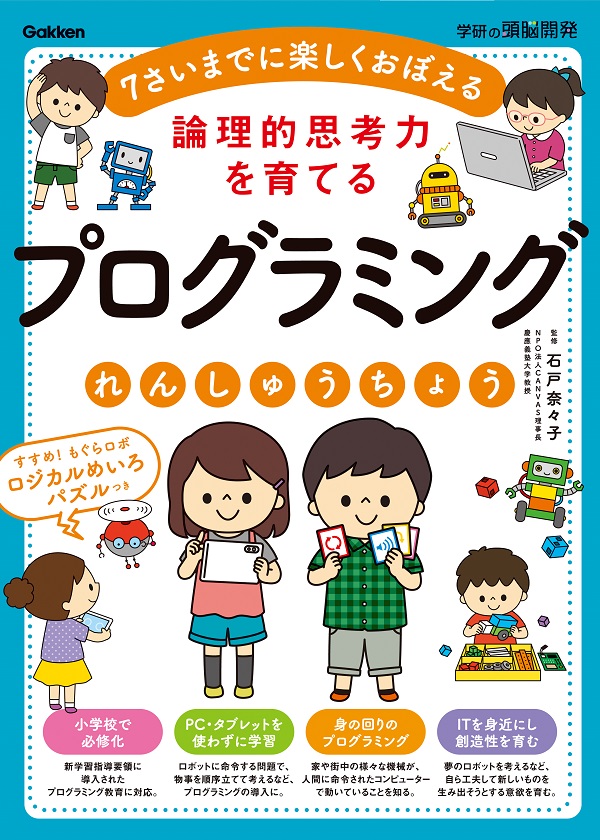
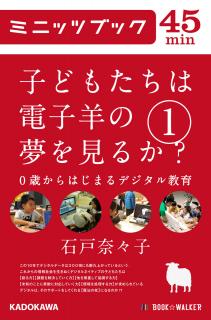
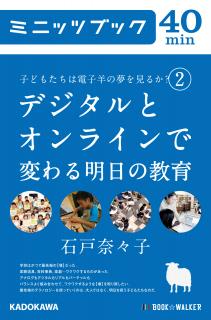
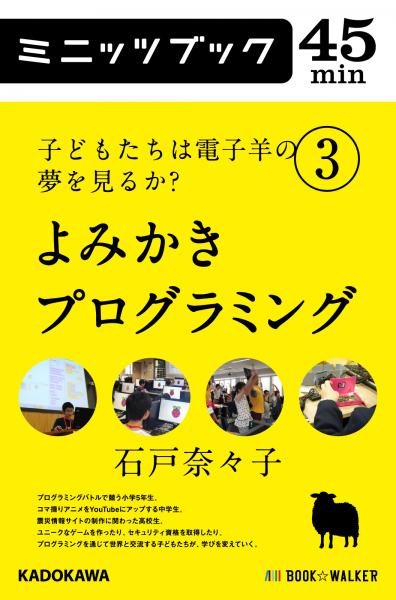
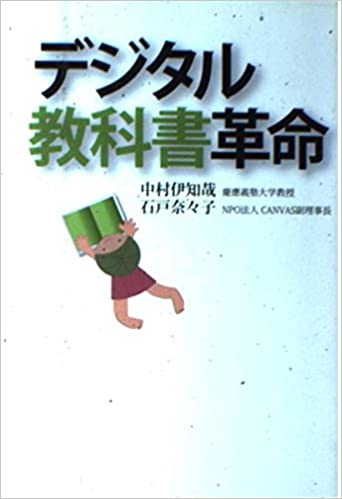
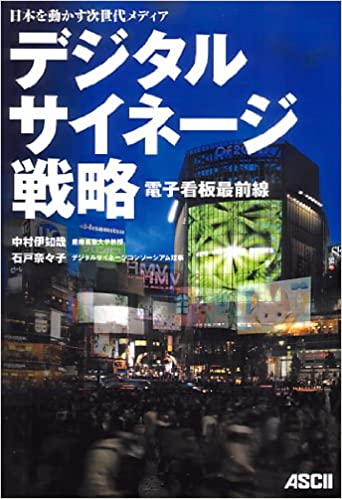
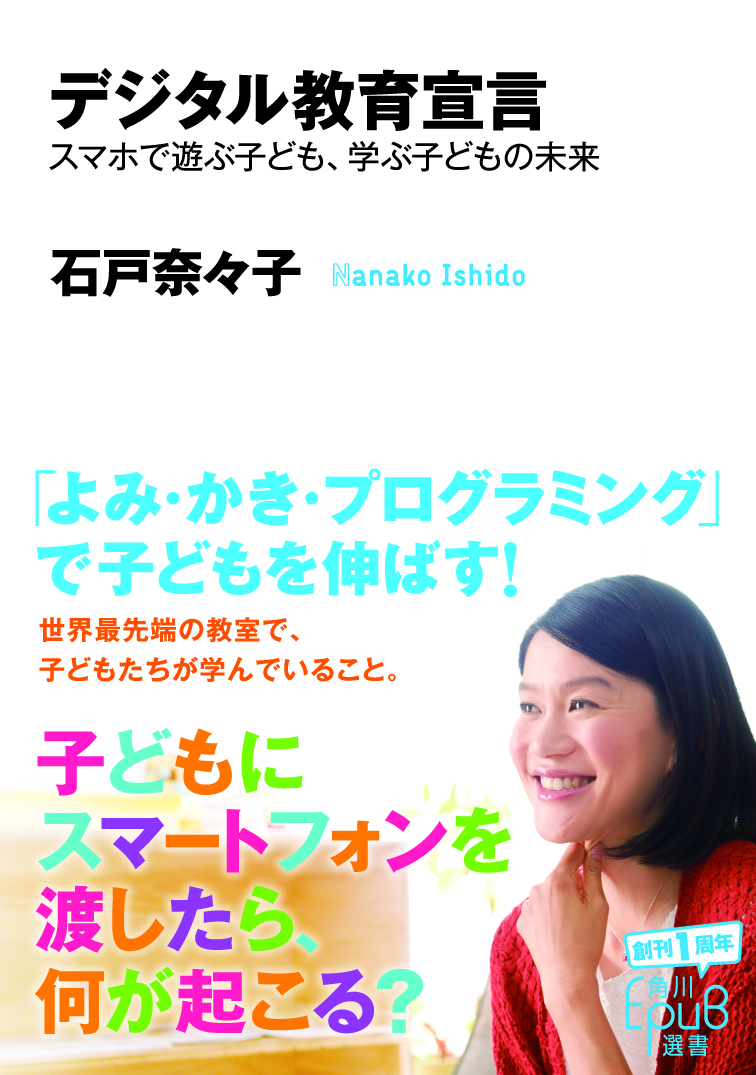
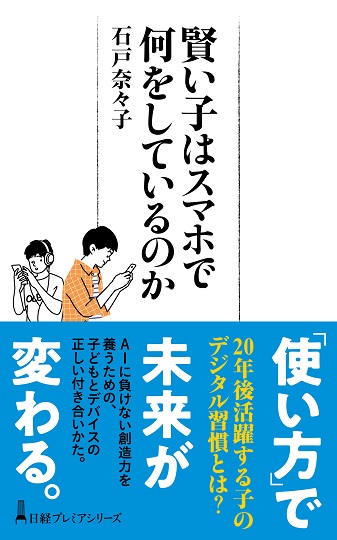
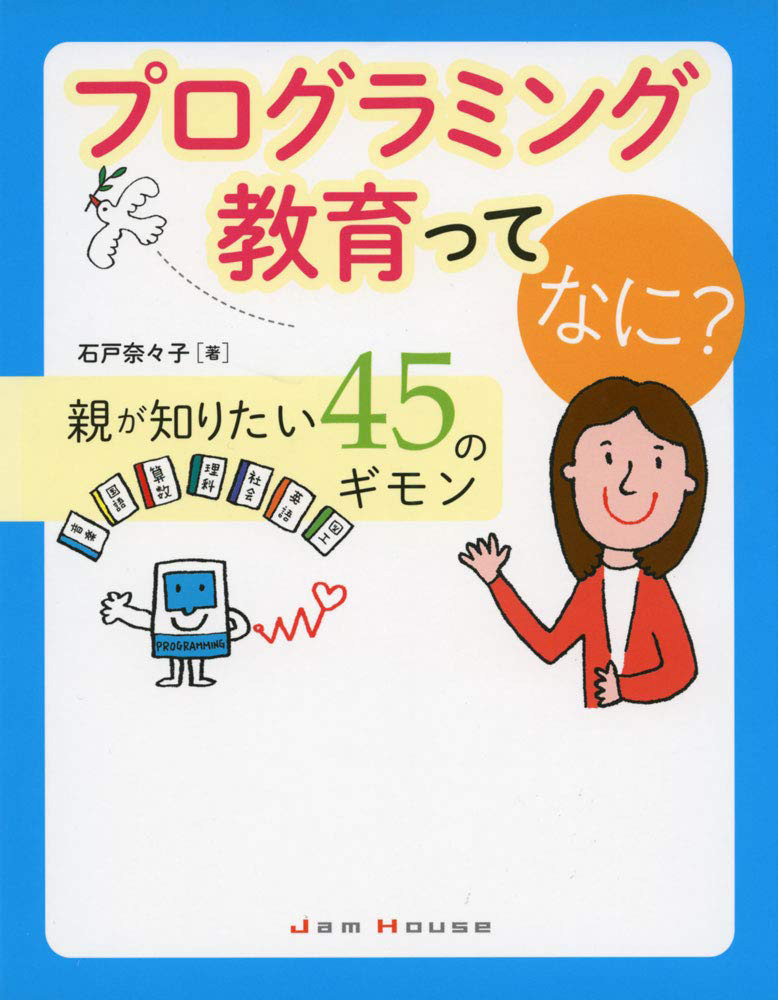
His publications include *Turning On Children’s Creativity!*, *What Are Smart Kids Doing on Their Smartphones?*, *The Forefront of Online Education in Japan: Considering Learning in the Post-COVID Era*,“What Is Programming Education? 45 Questions Parents Want to Know,” and “Declaration on Digital Education.” He has also provided supervision for numerous works, including “Ah, I See! Programming Education for Parents and Children Through Manga.”
















4052047885.jpg )