

English
- 2014.01.05
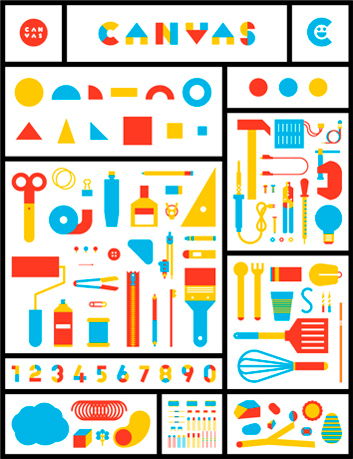
- [EN] CANVAS
Children around the world use their cell phones to create four-panel comic strips from photographs. Children take to the streets with digital cameras in hand and share information about their neighborhoods through four types of media: blogs, podcasts, newspapers, and videos. Children edit famous movies such as *Popeye*, *Chaplin*, or *Superman* to create new video works. Children aspire to become DJs. They select the sounds they want from among countless tracks, mix them together, create their own forms of expression, and play them for others, getting their audiences moving.
The NPO CANVAS, established over 12 years ago in 2002, continues to provide children of the digital age with opportunities to create and express themselves. We have held 3,000 workshops to date, with approximately 350,000 children participating.
What kinds of skills do we want the children who will live in the coming age to develop? We asked people active in various fields—government ministers, Olympic gold medalists, managers, university professors, lawyers, public officials, pediatricians, writers, and entertainers—for their thoughts.
“Creativity.” “The ability to identify and solve problems.” “The ability to respect others and collaborate with them.” “The ability to respond flexibly to previously unknown situations.”
Their answers seem to differ somewhat from the qualities that have traditionally been valued in school education.
Let’s look at the results of a survey conducted in the spring of 2010 by Keidanren, titled “Important Factors When Selecting New University Graduates for Employment.” Communication skills ranked first at 81.6%, independence came second at 60.6%, and the ability to cooperate was third at 50.3%. In comparison, academic achievements scored only 5.4%.
What skills will be required in the 21st century, and what kind of learning environment is necessary to develop them?
Until now, the acquisition of ever-increasing amounts of knowledge has been valued most highly. The lesson format in which a teacher imparted his or her knowledge to many students in a one-way process was effective in an industrial society that churned out personnel with a homogenized set of knowledge.
However, the economy has globalized, and our society has become one in which large volumes of information flow back and forth across national borders. This requires the ability to select from this vast amount of information, reassemble it in different ways, and create new value—all within a community composed of diverse cultures and values.
A learning space where children can learn in ways that suit them individually, while respecting diversity. A space where children from different backgrounds and with diverse abilities can communicate and collaborate to create new value. CANVAS aims to create this kind of learning space.
We want to enhance each child’s creativity and expressive abilities. We want to make Japan a global leader in expressive abilities. We want to invigorate global communication.
We are building an environment where children can participate as actively as possible, through collaboration with governments, local authorities, business leaders, museum staff, school and education professionals, university researchers, artists, and everyone else.
“I don’t want to go home!” “I want to come back tomorrow!” We will gradually introduce this new learning space, one that makes children’s eyes sparkle.
Profile
-


Digital Picture Book Author Professor, Keio University; Ph.D. (Policy and Media)
Director, B Lab
Chairperson, Learning of Tomorrow (General Incorporated Association)
Chairperson, CANVASAfter graduating from the Faculty of Engineering at the University of Tokyo, he served as a visiting researcher at the MIT Media Lab before founding the NPO CANVAS and the Learning of Tomorrow Association, a General Incorporated Association, and assuming the role of representative. He serves as an outside director for Matsuya Co., Ltd., Fuji Media Holdings, Inc., and Digital Garage, Inc.
He has served on various government committees, including the Information and Communications Council of the Ministry of Internal Affairs and Communications, as well as the NHK Central Broadcasting Program Council. He also serves as a director of the Digital Signage Consortium, among other roles. He holds a Ph.D. in Policy and Media.
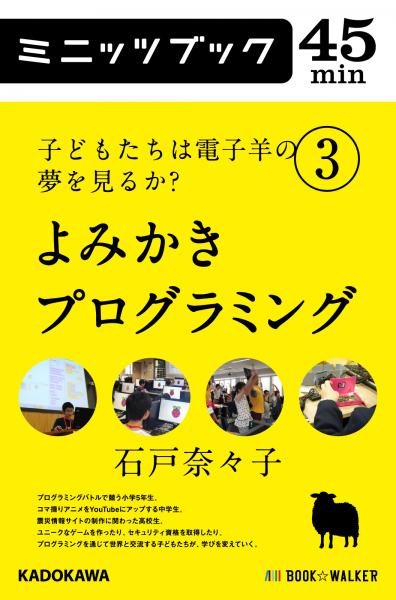
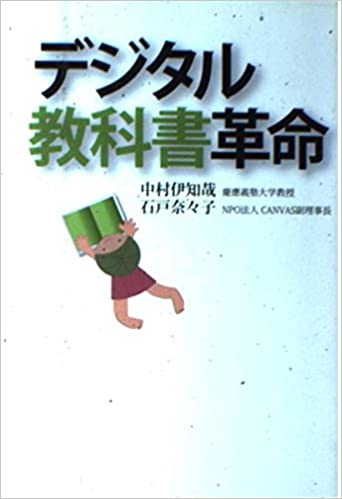
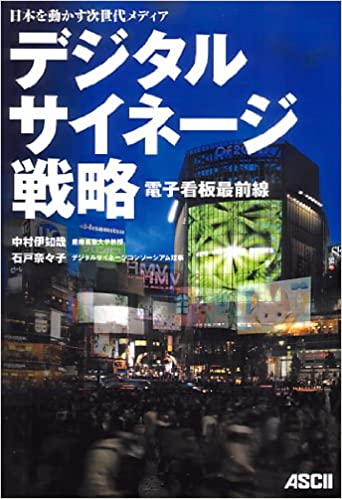
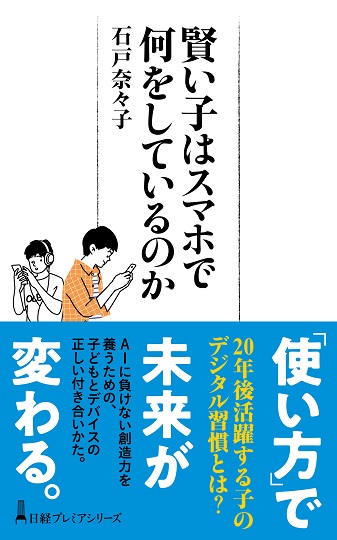
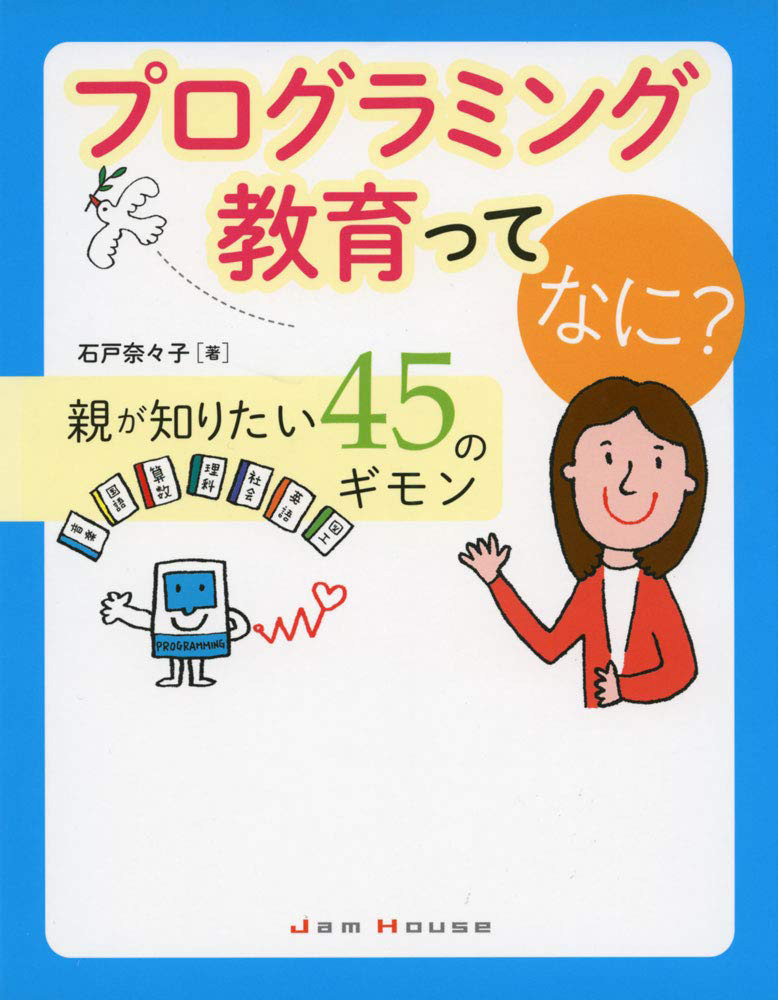
His publications include *Turning On Children’s Creativity!*, *What Are Smart Kids Doing on Their Smartphones?*, *The Forefront of Online Education in Japan: Considering Learning in the Post-COVID Era*,“What Is Programming Education? 45 Questions Parents Want to Know,” and “Declaration on Digital Education.” He has also provided supervision for numerous works, including “Ah, I See! Programming Education for Parents and Children Through Manga.”


















4052047885.jpg )