

Uncategorized
- 2013.07.25
- I want to contribute to children’s education through music
Digital Ehon Award Interview Series, Vol. 13
“I Want to Contribute to Children’s Education Through Sound”
Whether it’s lifting their spirits, fostering kindness, or giving them the courage to take that first step—I want to convey the power that picture books give to the heart through the sounds of radio.We want to bring energy and smiles to children—and adults—all across Japan. Driven by this desire, we spoke with Akira Nogami, Keiko Usuki, and Ryosuke Miyashita of Dentsu, who launched “Radio Picture Books”—a project that’s enjoyable to both watch and listen to.
“When we set out to launch this project, we focused on sound.” Stories enter through the ears and spark children’s imaginations. The idea behind “Radio Picture Books” began with the question: “Can we contribute to children’s moral education through ‘sound’?”However, they realized that “if we made it too preachy, the message would actually be harder to convey.” So, they decided to use their creative power to make something that people would enjoy.
Within the company, they focused on the creative team and went around persuading others who shared the project’s vision. That’s how “Radio Picture Book” was born in the summer of 2011.It began as an experimental project to deliver “picture books for a new era” to parents and children via new devices such as computers, smartphones, and tablets. Along with developing an original app, they also launched a radio broadcast that reads the stories aloud in sync with the app.
Many of the “Radio Picture Books” feature a unique atmosphere and warmth.Mr. Usuki became the key creator behind this project.
“Children today are given tablets and smartphones as toys. There’s even a possibility that these will be the very first toys they ever hold. That’s precisely why I felt a strong desire to create something that machines cannot replicate—such as the analog sensation of turning the pages of a picture book or a sense of warmth reminiscent of human touch.“Whether it’s the illustrations or the words, I made a conscious effort to ensure everything was genuinely created by a human.” Although the stories reach children through computers, the desire to convey a warm, human touch comes through powerfully in the works themselves.
Another concept behind Radio Picture Books is “A Picture Book Sent to That Special Someone.”That could be your own child, or a friend’s child. “When you write with each individual in mind, it becomes easier to deeply resonate with multiple people.” This concept stems from her commitment to prioritizing the content—what she wants to express.
Digital Ehon are a new form of expression, and the profession of “Digital Ehon creator” hasn’t yet been firmly established.That’s why the backgrounds of those who apply to the Digital Ehon Award, which we’ve been holding since last year, are so diverse. They include picture book authors, illustrators, game creators, and even stay-at-home moms. Usuki-san usually works as a copywriter. Copywriting and Digital Ehon creation—are there any commonalities between them? “Radio picture books are works that focus on sound. As a copywriter, I create narration for radio and TV commercials on a daily basis, so I’m accustomed to crafting stories that are heard rather than read. I’ve even had opportunities to write picture-book-style radio commercials as an extension of my work, so it was easy to come up with ideas.”
Unlike paper picture books, incorporating audio narration creates a distinct form of expression. Usuki describes this as “writing for the ear.” For example, she says she consciously focuses on writing in a way that sounds pleasant and has a good rhythm—such as transitioning into a song partway through the story. That experience has been put to good use in her radio picture books.
He says that what he truly wants to convey through “Radio Picture Books” is the story itself and the words. Whether in print or Digital Ehon, there are things that cannot be conveyed through words or sound alone. Stories composed solely of illustrations or those with moving elements are particularly challenging. The defining feature of “Radio Picture Books” is turning illustrations—whose worlds expand when heard—into Digital Ehon.Starting with words is very much the way of a copywriter.
The story “Fly Away, Futon,” which originated from Radio Ehon, won the Judges’ Special Award at the Digital Ehon Awards.
A little girl who is afraid to sleep at night.But one day, she learns a mysterious spell… “Fly Away, Comforter” is the story of how she comes to look forward to sleeping in her comforter. It was created with the hope that it might make going to sleep at night just a little bit more enjoyable for Japanese children who became afraid of the dark after the earthquake.The unique yet gentle music and the soft, gentle voice of the narrator draw you right into the story’s world. Packed with plenty of fun elements—including visuals that feel like watching TV, comical movements, a gentle, radio-style narration, and dances you can enjoy creating with your own twists—this work is full of delightful surprises.
When the story for “Fly Away, Futon” was finalized, the creator said, “I wanted an art director who could inject a bit of edge to illustrate it.” “A good story can sometimes just slip by unnoticed,” he explained. “By adding that edge, it becomes something that really grabs the audience.” That’s why Mr. Miyashita was chosen for the project.
This work consists of a picture book animation and an accompanying creation app. The app provides tools that allow users to move the characters from the story themselves, select sounds, and easily create eight-frame animations. Miyashita mentioned that he struggled with two main challenges. First was the fact that it was being created for children.“We don’t usually make ads aimed at 3- or 4-year-olds (laughs). I racked my brain over how to convey the message to such young children and how to make it enjoyable for them.” The second challenge was interactivity. “It was difficult to gauge the balance between what we provide and how users react when they interact with it—that was a learning experience for me.””
When creating “Radio Picture Books,” the production staff was selected without regard to digital literacy. For Ms. Miyashita, this was her first time creating an app. Precisely because of this, they discussed what they wanted to express without worrying about technical feasibility, and as a result, they produced a high-quality work.
They didn’t include interactive elements in the animated picture book itself. Instead, they incorporated a feature that could be described as the ultimate form of interactivity: the audience creating the content themselves. “We don’t want people to think, ‘Wow, the interactivity is amazing!’” They explained that their focus is strictly on the storytelling itself.“Based on my past production experience, I thought it might be better to separate the interactive elements from the parts focused on conveying the story through visual entertainment, rather than inserting interactivity in the middle of the narrative,” said Mr. Nogami. The production app features a video editing interface designed to be intuitive, with explanations and text kept to a minimum.“There are plenty of video editing programs out there, but I’ve never seen one specifically designed for children,” said Mr. Miyashita. “I’d always thought it would be interesting to have software so simple that even a child could use it right away.” He added, “I was really happy when a friend who’s a kindergarten teacher told me, ‘I could actually show this to the kids.’”
Finally, we asked them to share their hopes for the future.
Ms. Miyashita: “Tablets and smartphones are going to be indispensable in the future. However, since few people are working with them yet, the overall quality is still quite low. Precisely because it’s such a promising and appealing medium, I hope the overall quality will continue to improve.”
Ms. Usuki: “Back in the day, we lived in single-story houses with the doors wide open, and neighborhood aunts and grandmothers would drop by. Someone would read us picture books. We learned so much there and were taught important values. But there’s no going back to that now. Today, we live in apartment buildings where we don’t even know who lives next door.More and more children are eating boxed lunches for both lunch and dinner. We can’t change that. Nor can we change the fact that we live with these kinds of tools. That’s precisely why, in an era like this, we want to exist as a place—like a spring—where people can think, ‘Ah, I’ve been saved!’ At the very least, we want to keep creating and distributing content so that people can occasionally catch a glimpse of the important things we were taught.”
Ms. Nogami: “Radio Picture Book has an underlying theme: ‘It’s the parents who need to save their own hearts.’ People are reaching their breaking point under the stress of parenting, and various incidents are occurring. When you show it to your child, it means the parents are watching it too. Watching it together with their children helps parents heal as well.We want to deliver stories that make them think, ‘Oh no, oh no—I shouldn’t be getting this angry.’ We aim for a style of storytelling where, before they even realize it, they’ve adopted a happier way of thinking.”
Radio Ehon has won several awards since last year, and its internal reputation within the company has also been growing.They also say that, having moved beyond the trial-and-error phase, they are beginning to see a clear direction to aim for. The challenge now is how to translate this into a viable business.
Writing stories, drawing illustrations, creating sound, and coding—there are many elements involved in producing Digital Ehon. Dentsu is a company that possesses all the necessary talent. We look forward to seeing how this develops in the future.
Profile
-


Digital Picture Book Author Professor, Keio University; Ph.D. (Policy and Media)
Director, B Lab
Chairperson, Learning of Tomorrow (General Incorporated Association)
Chairperson, CANVASAfter graduating from the Faculty of Engineering at the University of Tokyo, he served as a visiting researcher at the MIT Media Lab before founding the NPO CANVAS and the Learning of Tomorrow Association, a General Incorporated Association, and assuming the role of representative. He serves as an outside director for Matsuya Co., Ltd., Fuji Media Holdings, Inc., and Digital Garage, Inc.
He has served on various government committees, including the Information and Communications Council of the Ministry of Internal Affairs and Communications, as well as the NHK Central Broadcasting Program Council. He also serves as a director of the Digital Signage Consortium, among other roles. He holds a Ph.D. in Policy and Media.
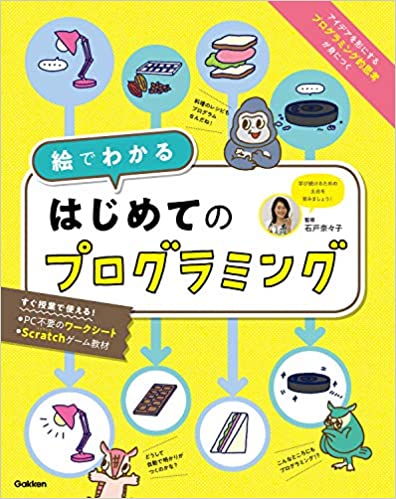
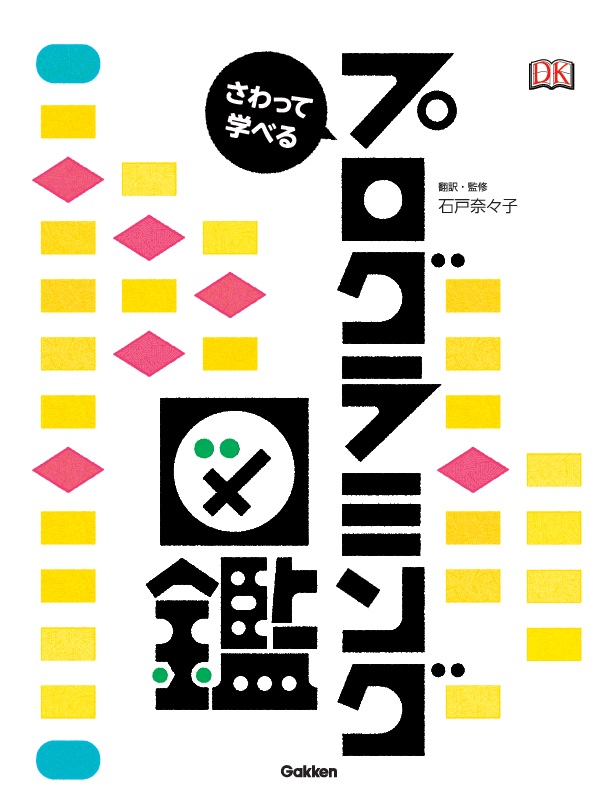
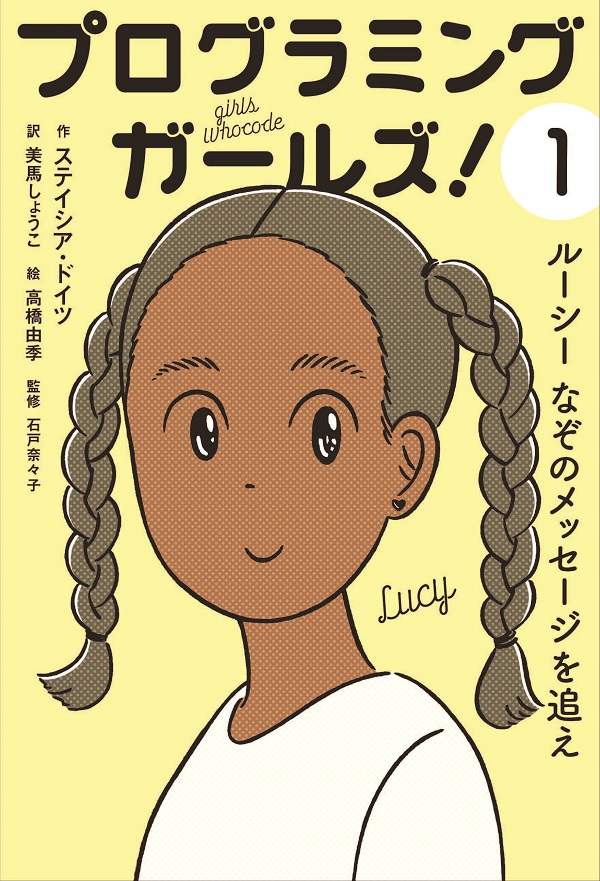
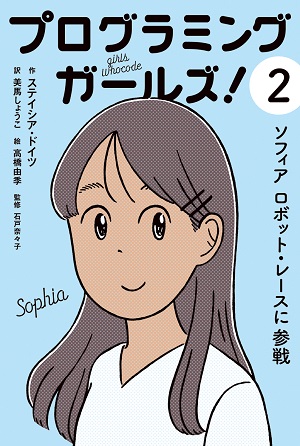
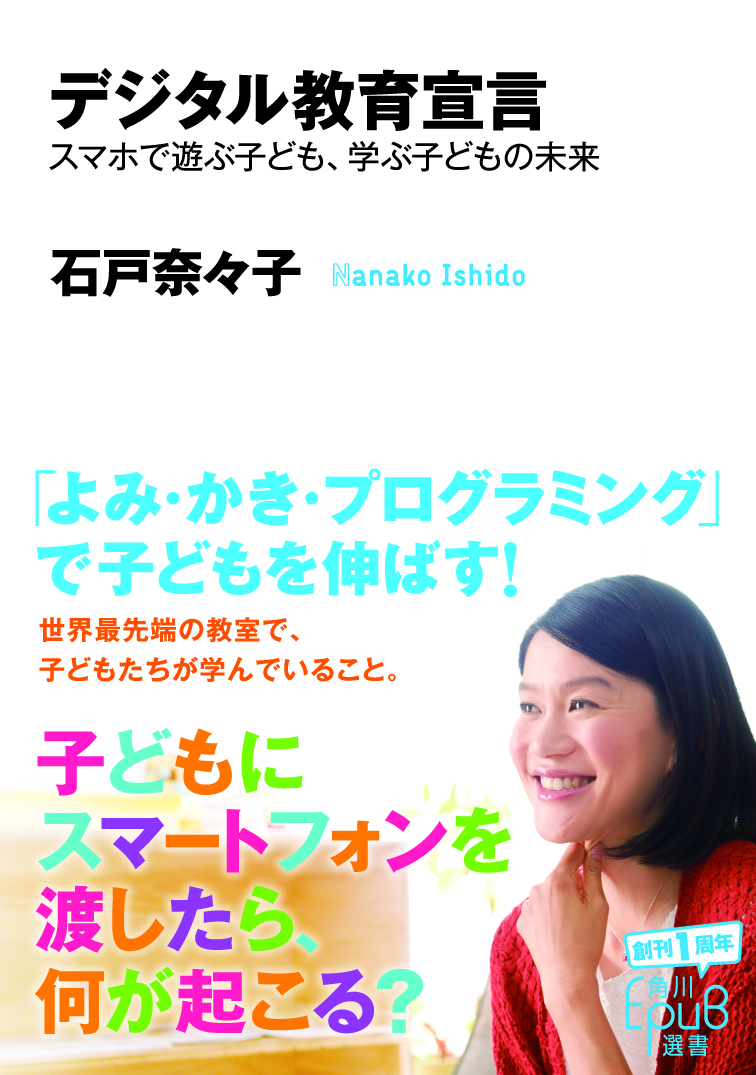
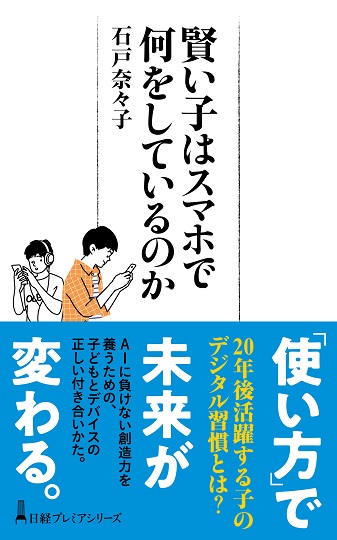
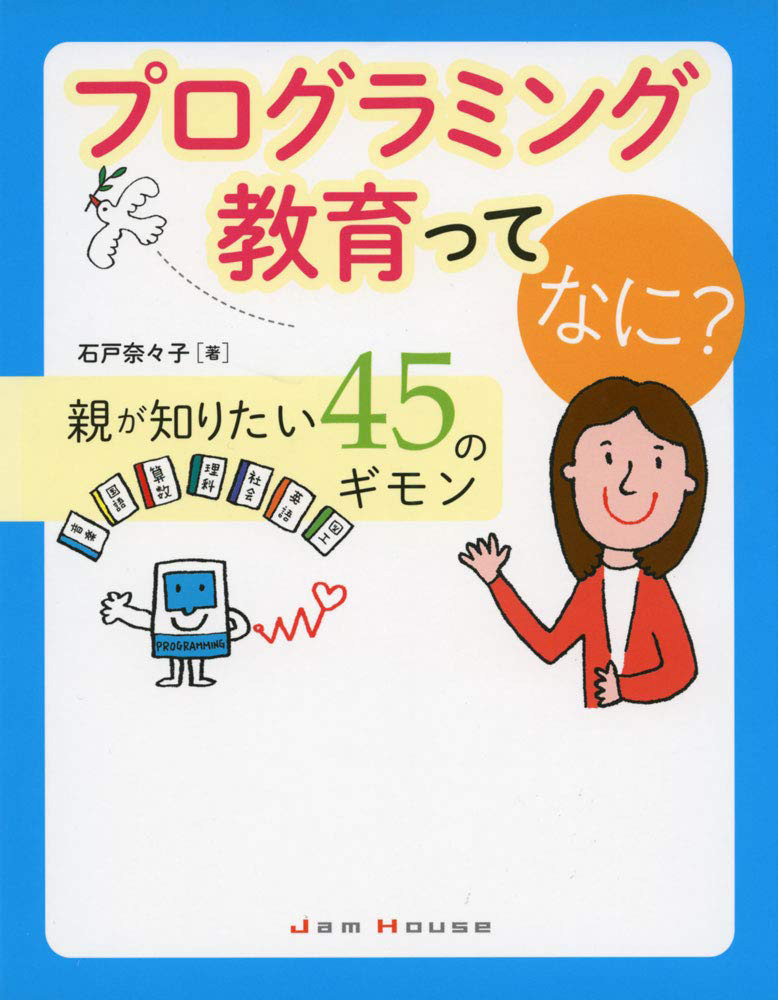
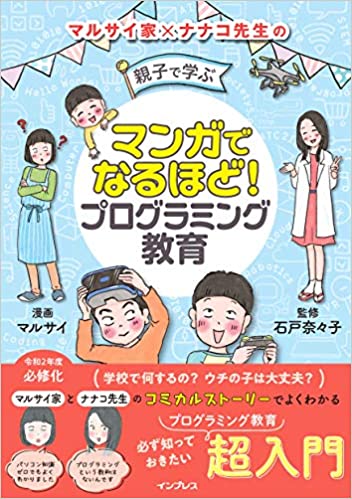
His publications include *Turning On Children’s Creativity!*, *What Are Smart Kids Doing on Their Smartphones?*, *The Forefront of Online Education in Japan: Considering Learning in the Post-COVID Era*,“What Is Programming Education? 45 Questions Parents Want to Know,” and “Declaration on Digital Education.” He has also provided supervision for numerous works, including “Ah, I See! Programming Education for Parents and Children Through Manga.”













4052047885.jpg )