

Uncategorized
- 2024.08.20
- Digital Ehon Award Judging Panel
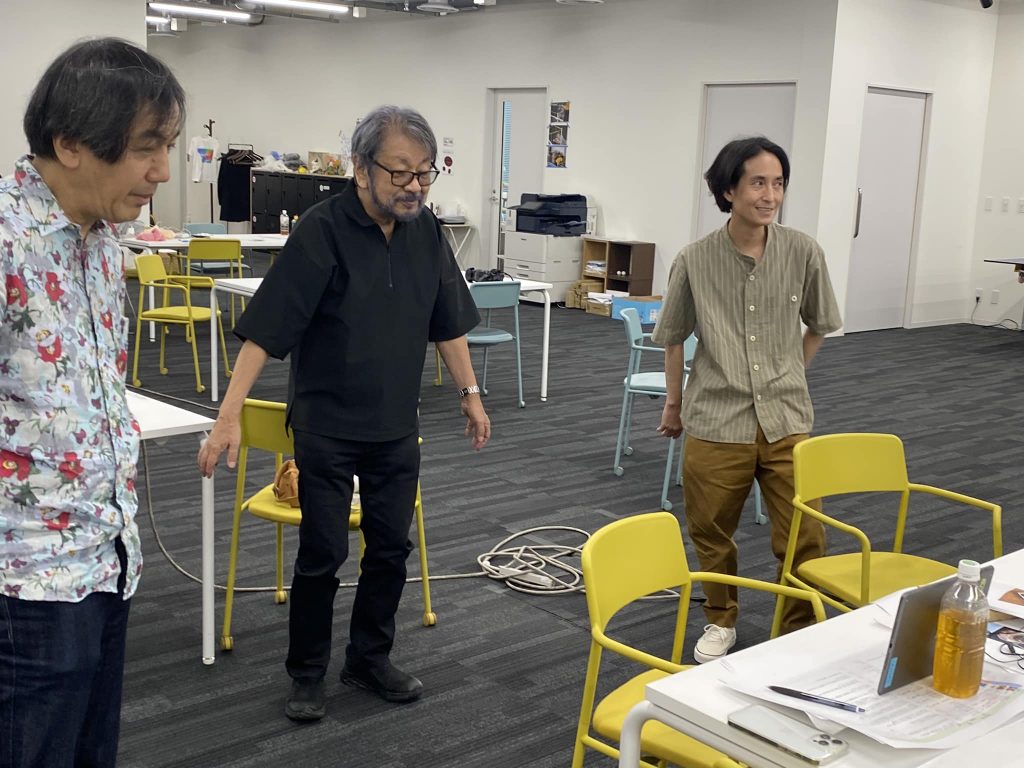
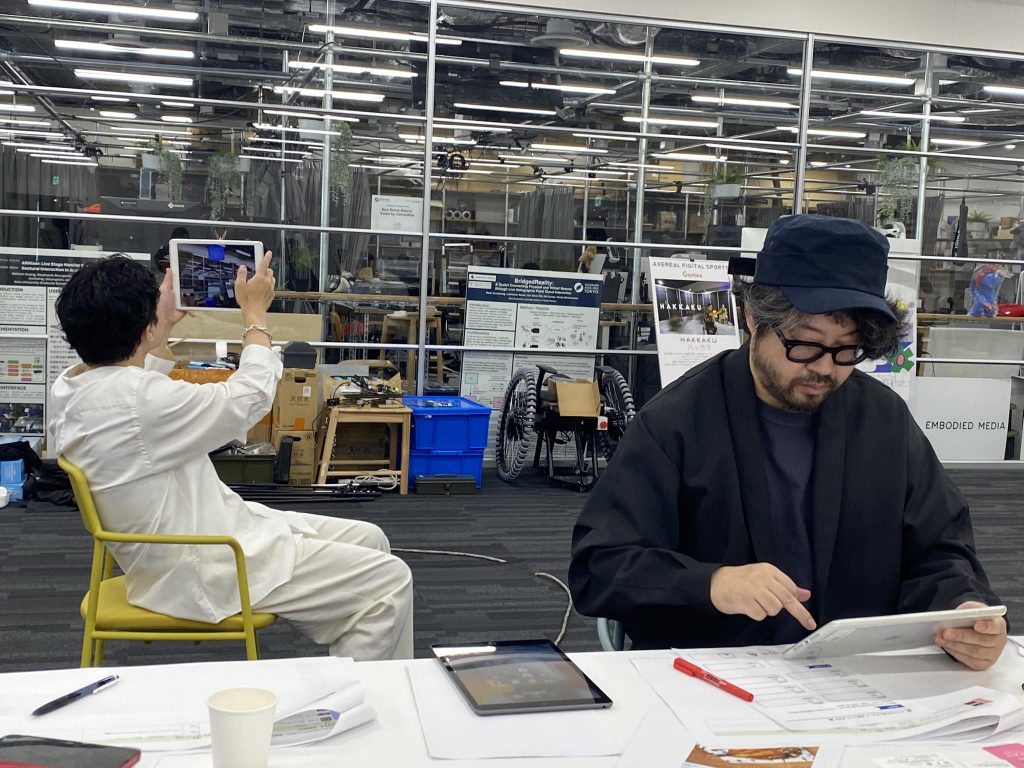
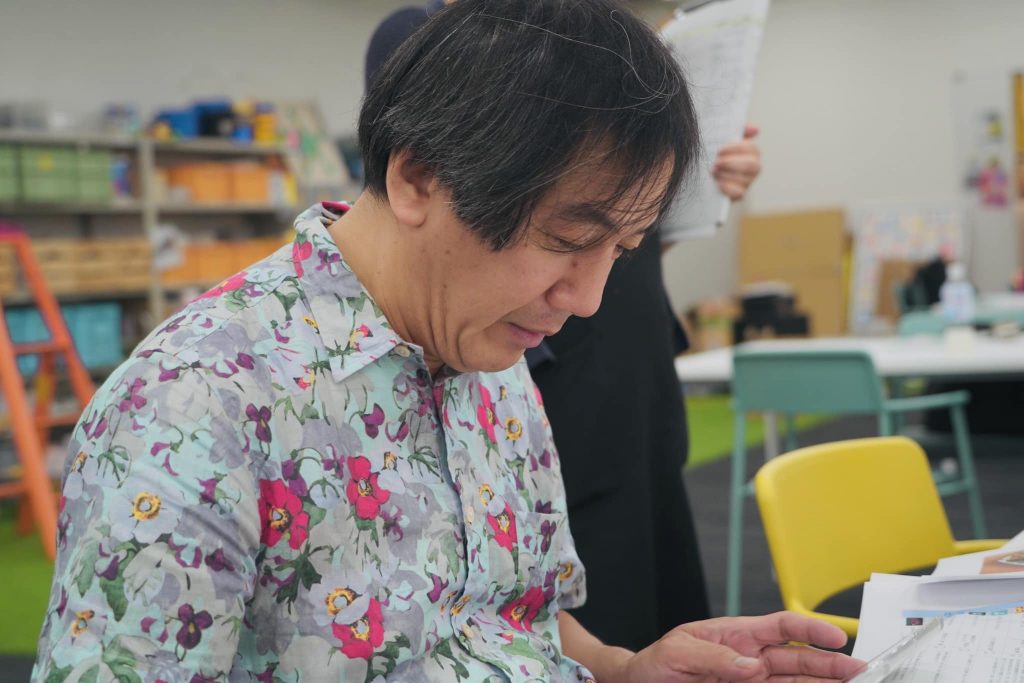
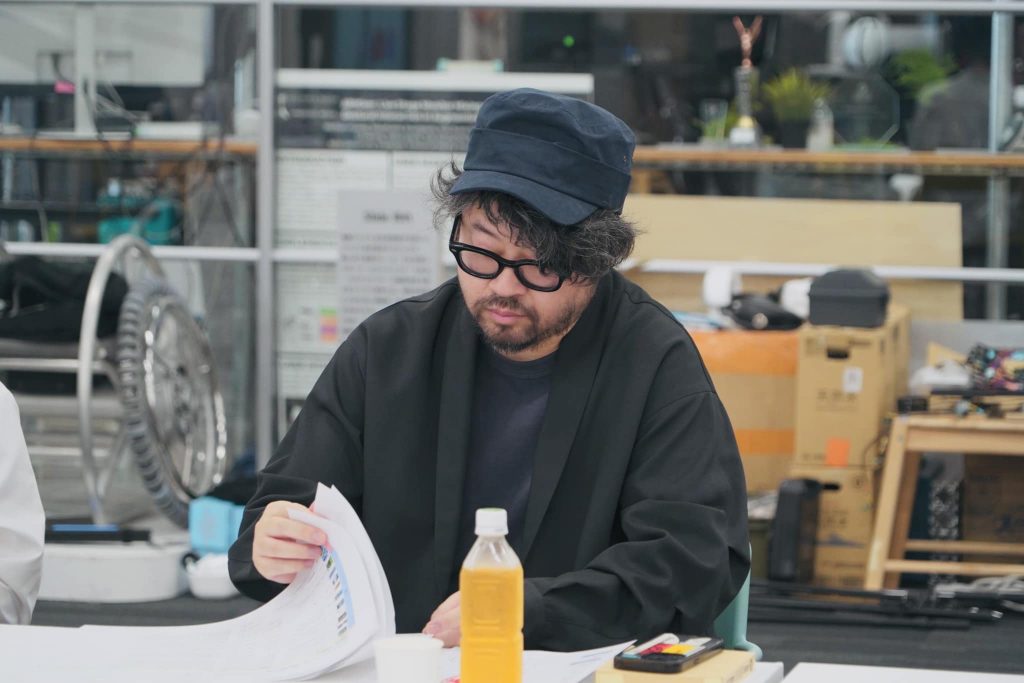
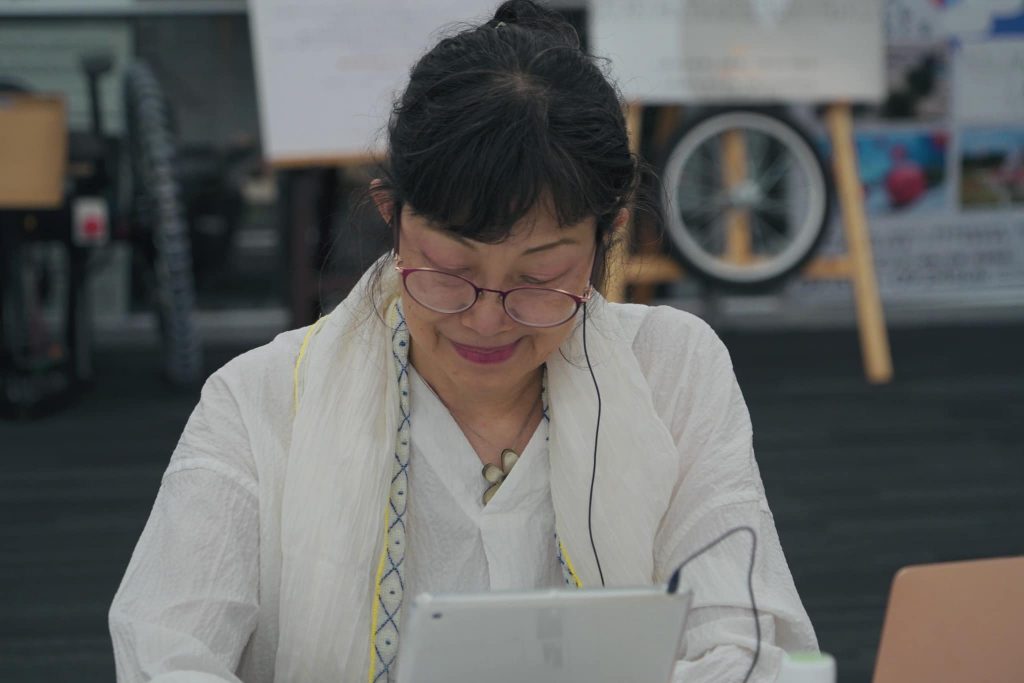
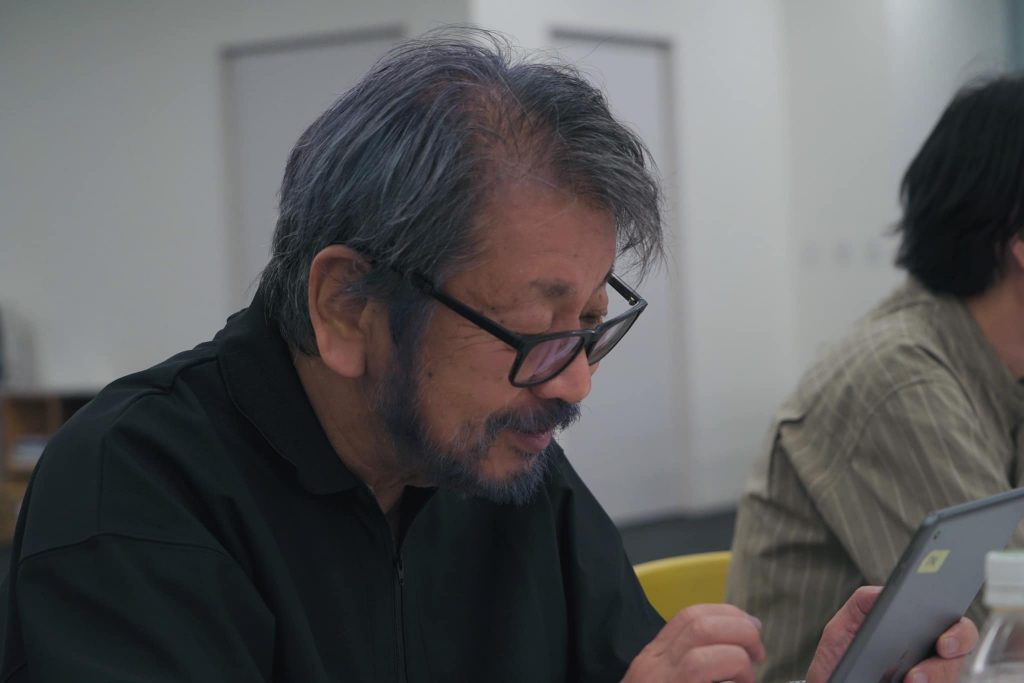
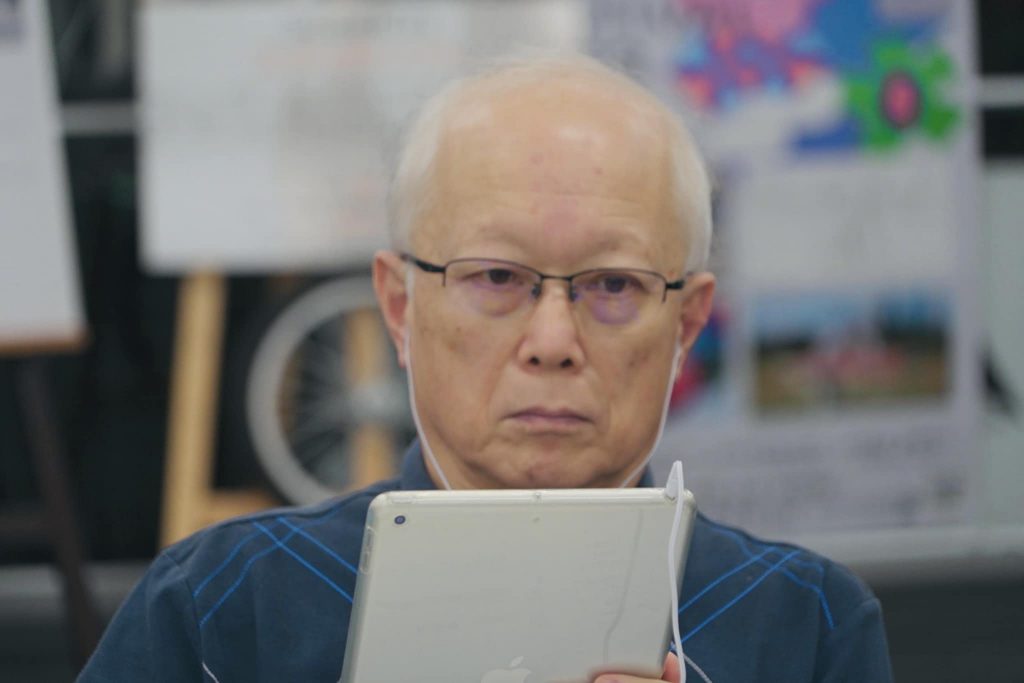
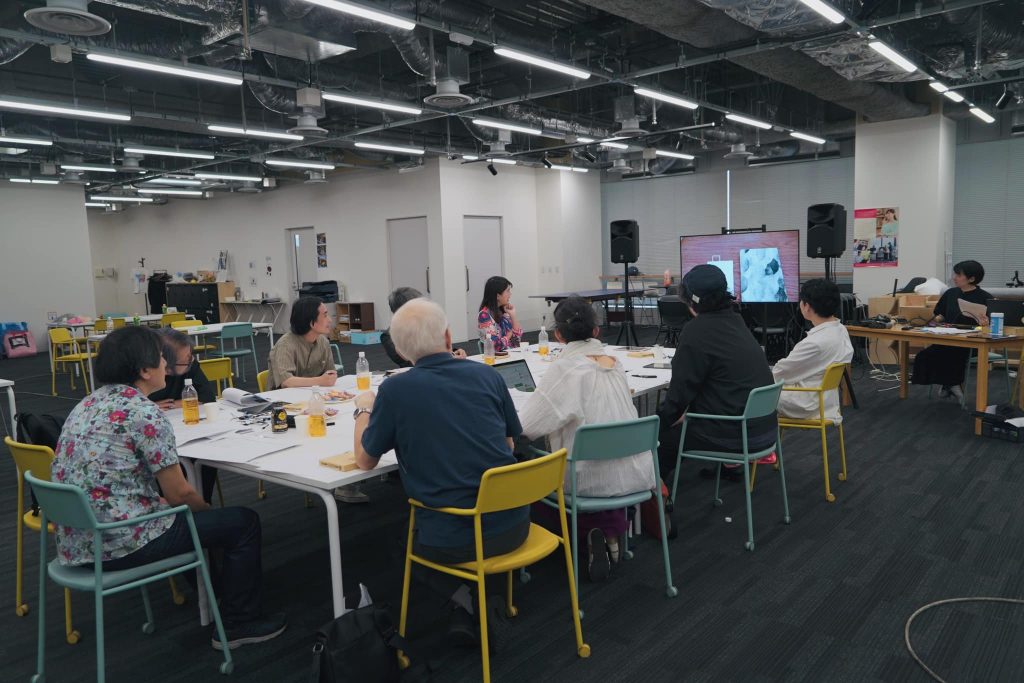
Digital Ehon Award Judging Panel!
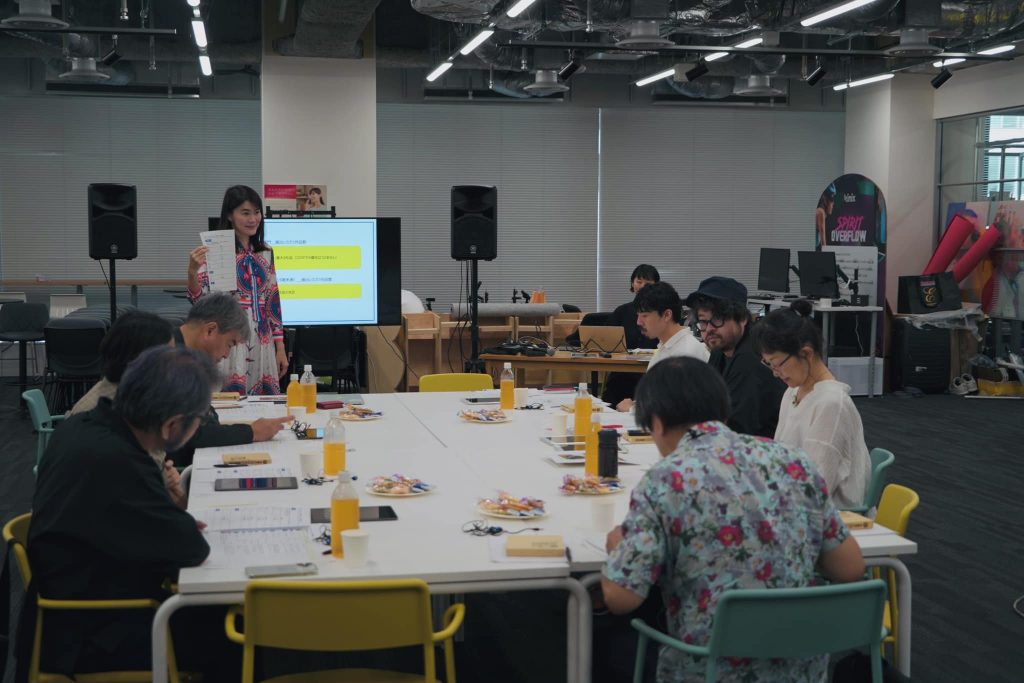
The judges were Koji Ishikawa (picture book author), the Kadokawa Musashino Museum, Keitaro Kamijo (Whatever), Tomu Kawada (AR Three Brothers), Yuichi Kimura (picture book author), Yuichi Kimura (comedian),Kiri (Professor, Joshibi University of Art and Design), Yoichi Sakakibara (M.D., Professor Emeritus, Ochanomizu University), Taro Yabe (comic actor and manga artist), and myself, serving as Chair of the International Digital Ehon Fair Executive Committee.
This year, comedian Yuichi Kimura was unable to attend in person due to scheduling conflicts, so the judging was conducted in advance; however, as in previous years, he carefully experienced and scored every single entry one by one. We launched this award in 2012 with the goal of establishing the field of
Digital Ehon, and before we knew it, we’ve reached our 10th edition (though there were some years when the event could not be held).
In the first edition, a digital adaptation of a famous picture book won the Grand Prize. It all began with the digitization of paper.
In the second competition, a middle school student won an award for a work in which they single-handedly created the text, illustrations, and program. This made me realize that anyone can be a creator of Digital Ehon.
For the third edition, we received a large number of entries from overseas, which made me realize that Digital Ehon truly transcends national borders.
In the fourth edition, a work combining cardboard and a smartphone won an award. Digital Ehon is breaking free from tablets and smartphones and beginning to merge with various other fields.
For the 5th edition, we received numerous entries that foreshadowed a new era, making full use of cutting-edge technologies—such as AI and AR—that have advanced to the next level.While the innovative use of technology was eye-catching, the judges discussed focusing their evaluation on “expressive power”—specifically, what kind of content was created based on the assumption that these technologies are already commonplace in this field of expression. Furthermore, the scope of their application has expanded from the home to educational settings.
In the sixth edition, we saw numerous works that engaged viewers with their entire bodies, and Digital Ehon expanded into the physical space. As a result, a debate among the judges over “What exactly is a Digital Ehon?” reignited. Perhaps this was because we had been held back by the expressive techniques of existing media.I believe that the very fact this debate arose is proof that “Digital Ehon” has matured into a new realm of expression.
Furthermore, there has been a sharp increase in the number of works created by children, and their quality has improved dramatically.This may be due to the mandatory implementation of programming education.
Furthermore, we saw numerous submissions of works unlike anything we’d seen before, utilizing technology in ways that were distinctly different from the past. Back in the early days of tablets and smartphones, the “Alice in Wonderland” app garnered a lot of attention.Since it’s a story that lends itself well to interactive elements, it makes perfect sense that creators chose to develop an Alice app. And at the 6th competition, yet another new Alice app won an award. It’s a work where players use a tablet to search for a rabbit that has jumped out into the real world as they progress through the story. I felt that the technology had taken another step forward to the next stage.
In the 7th edition, Digital Ehon broke out of indoor spaces like museums and spread into wider public spaces such as city streets. Additionally, there was an increase in STEAM content, shifting the focus from “viewing and reading” to “feeling and experiencing.”This year saw participation from a record 24 countries. Furthermore, a student from Israel—who had won the Runner-up Prize the previous year—raised funds through crowdfunding and submitted a work that had even been published as a book. It was an experience that allowed us to connect intimately with the world through Digital Ehon.
For the 8th edition, the number of participating countries declined due to the impact of the pandemic, after having been on the rise. On the other hand, the number of entries reached a record high of over 400. It could be interpreted that the increase in submissions stemmed from people having more time for creativity and self-expression precisely because they were staying home. Looking at the content itself, the impact of the pandemic was strongly felt.First, we saw a large number of entries created specifically because of the pandemic. These included ways to enjoy fireworks or experience a school field trip—all from the comfort of one’s own home. Furthermore, there was a dramatic decrease in content centered around public spaces—such as museums and city streets—which had been prominent the previous year; instead, the vast majority of entries focused on “playing, learning, and experiencing things at home.” This trend was also evident in entries from overseas.
Furthermore, due to the inability to attend school, there was an increase in Digital Ehon subscription services that allow children to learn and engage in activities from home. The awards ceremony was also held online and consisted solely of the announcement of the winners.
In the 9th edition, large-scale digital content set in public spaces—which had been a common feature in the two previous editions—made a comeback. In addition, many award-winning entries focused on “creating” content, such as music and anime. In particular, there was a noticeable trend toward tools for creation, expression, collaboration, and sharing—especially those designed for collaborative production and sharing with others.In contrast to the previous year—when, due to the COVID-19 pandemic, learning apps designed for individual enjoyment at home were overwhelmingly predominant—I was delighted to see that Digital Ehon is playing an active role as a tool for connecting with others. Furthermore, content incorporating perspectives on diversity and inclusion began to stand out. We saw several proposals for Digital Ehon designed to be enjoyed by people with physical disabilities and other challenges.
So, how did this year’s 10th edition go?
The awards ceremony was held at Chomorrow!
https://www.digitalehonaward.net



Profile
-


Digital Picture Book Author Professor, Keio University; Ph.D. (Policy and Media)
Director, B Lab
Chairperson, Learning of Tomorrow (General Incorporated Association)
Chairperson, CANVASAfter graduating from the Faculty of Engineering at the University of Tokyo, he served as a visiting researcher at the MIT Media Lab before founding the NPO CANVAS and the Learning of Tomorrow Association, a General Incorporated Association, and assuming the role of representative. He serves as an outside director for Matsuya Co., Ltd., Fuji Media Holdings, Inc., and Digital Garage, Inc.
He has served on various government committees, including the Information and Communications Council of the Ministry of Internal Affairs and Communications, as well as the NHK Central Broadcasting Program Council. He also serves as a director of the Digital Signage Consortium, among other roles. He holds a Ph.D. in Policy and Media.
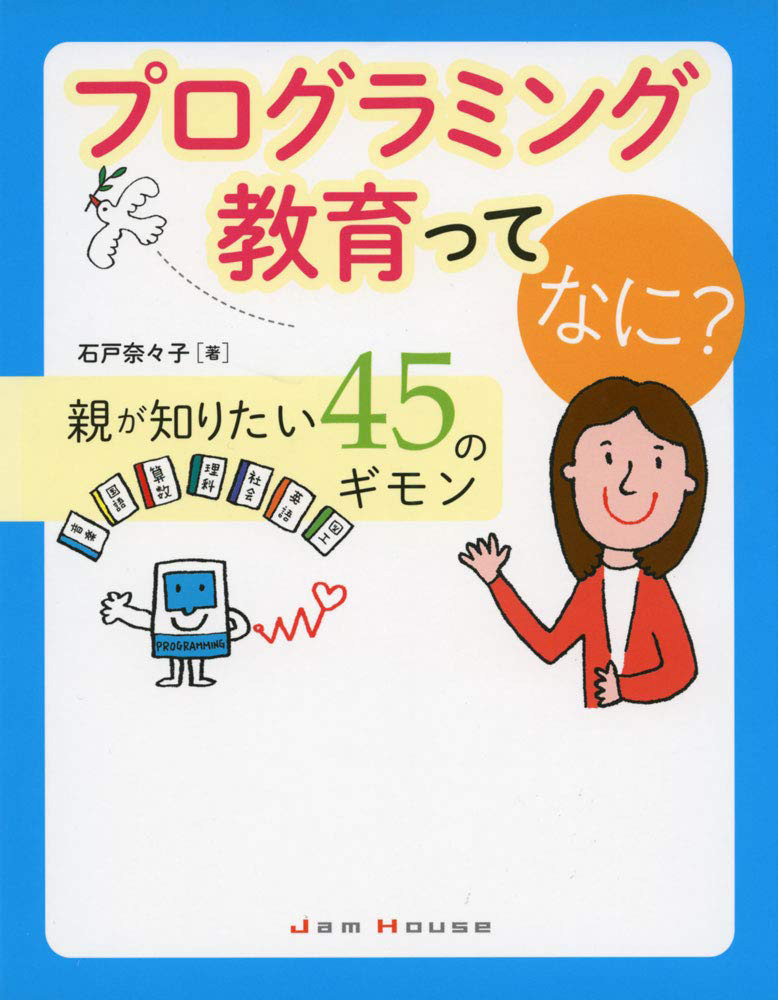
His publications include *Turning On Children’s Creativity!*, *What Are Smart Kids Doing on Their Smartphones?*, *The Forefront of Online Education in Japan: Considering Learning in the Post-COVID Era*,“What Is Programming Education? 45 Questions Parents Want to Know,” and “Declaration on Digital Education.” He has also provided supervision for numerous works, including “Ah, I See! Programming Education for Parents and Children Through Manga.”

































4052047885.jpg )