




KMD
- 2026.08.26
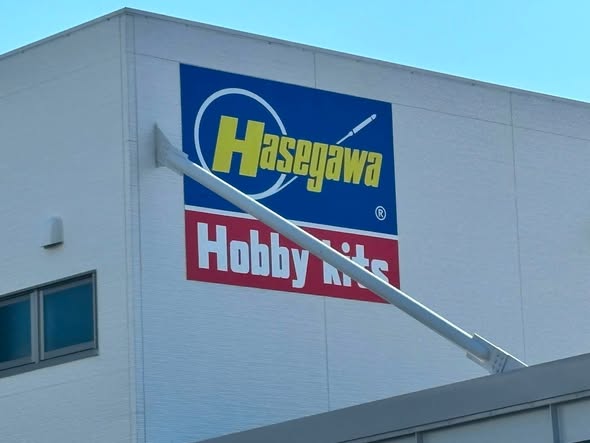
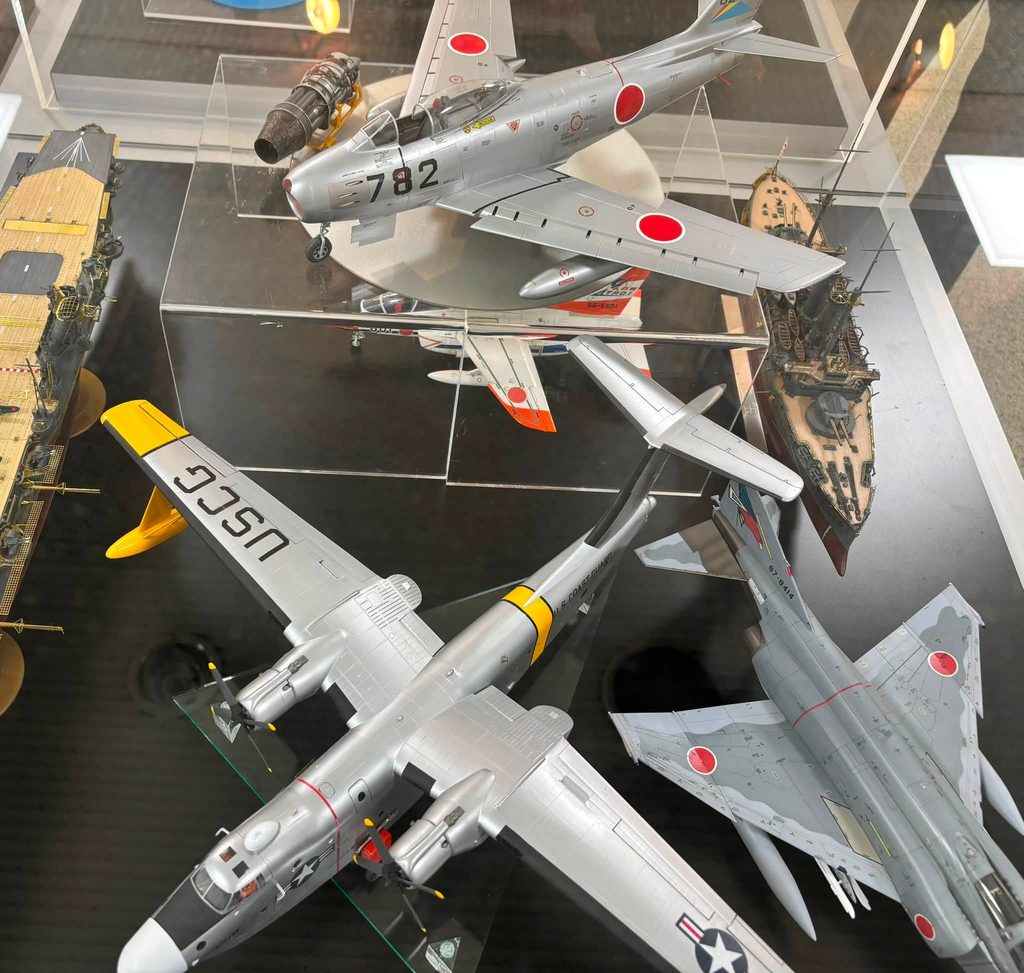
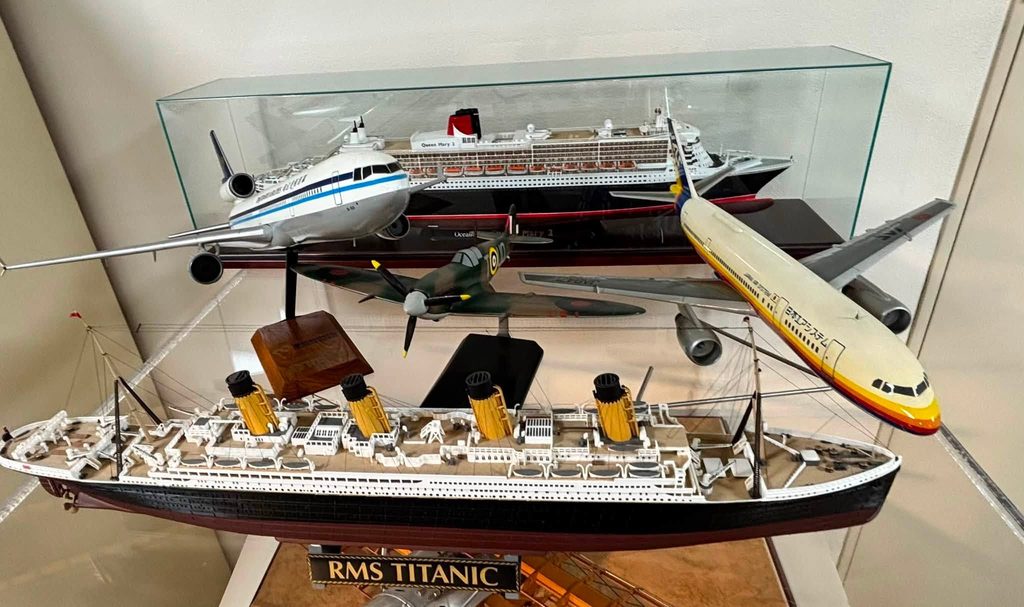
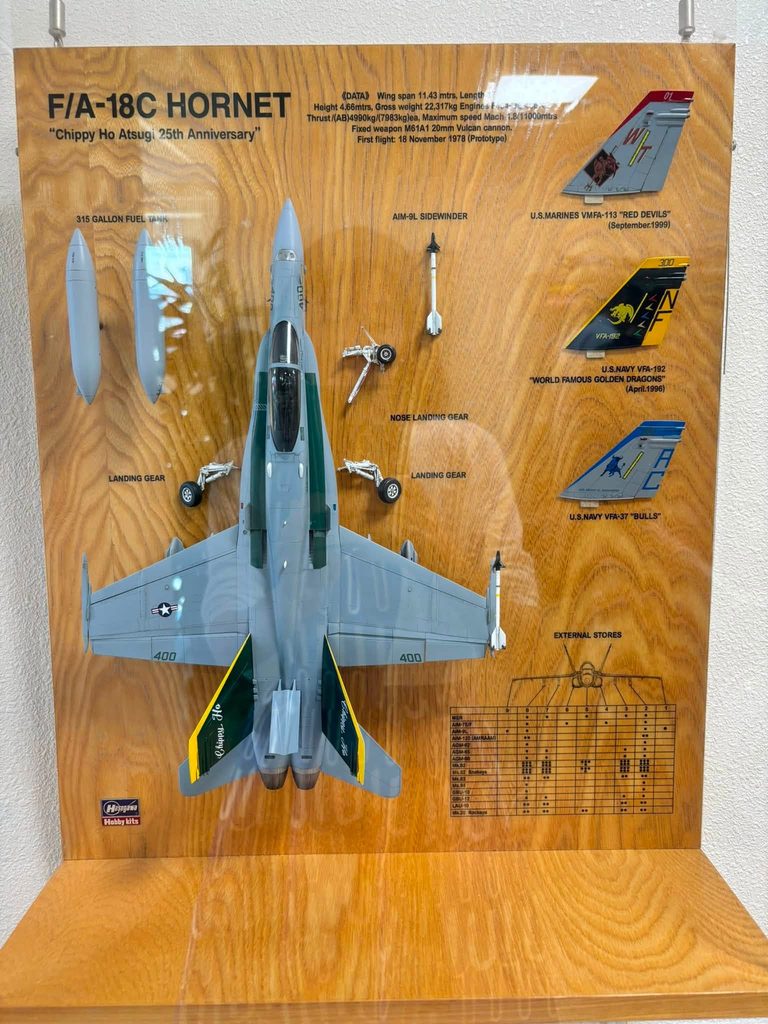
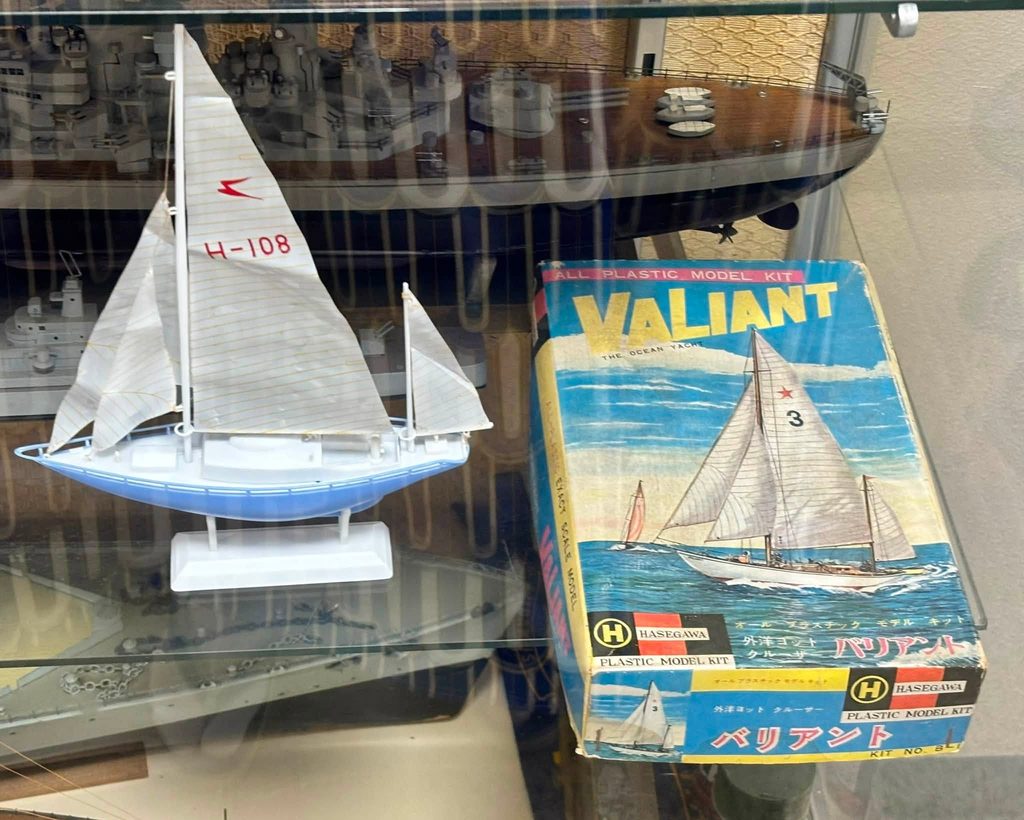
- Visit to Hasegawa
Shizuoka City × Keio University “STEAM Education Project Using Models.”
After Aoshima and Tamiya, on to Hasegawa.
I discussed the future of model-making culture and hands-on education with President Hasegawa.
Hasegawa has now begun selling its products in Saudi Arabia as well.
The biggest challenge there is that the model-building culture itself hasn't taken root.
From this story, the discussion turned to the question, “What is Japan’s model-making culture?”
In Japan, people have been familiar with “making things” since childhood and harbor a sense of admiration and respect for craftsmanship and artisans.
Couldn’t we export to the world not only model kits as “products,” but also the “education and culture of Japanese craftsmanship” that lies behind them?
We had a great time talking about that.
"Lego and model kits are different."
There's something satisfying about the way LEGO pieces click into place to form a shape.
On the other hand, building a model isn't the end of the process.
Carve. Engrave. Paint.
Observe the real thing. Think about how to make it look authentic.
Furthermore, they put their minds to the question, “How can I look cooler than everyone else?”
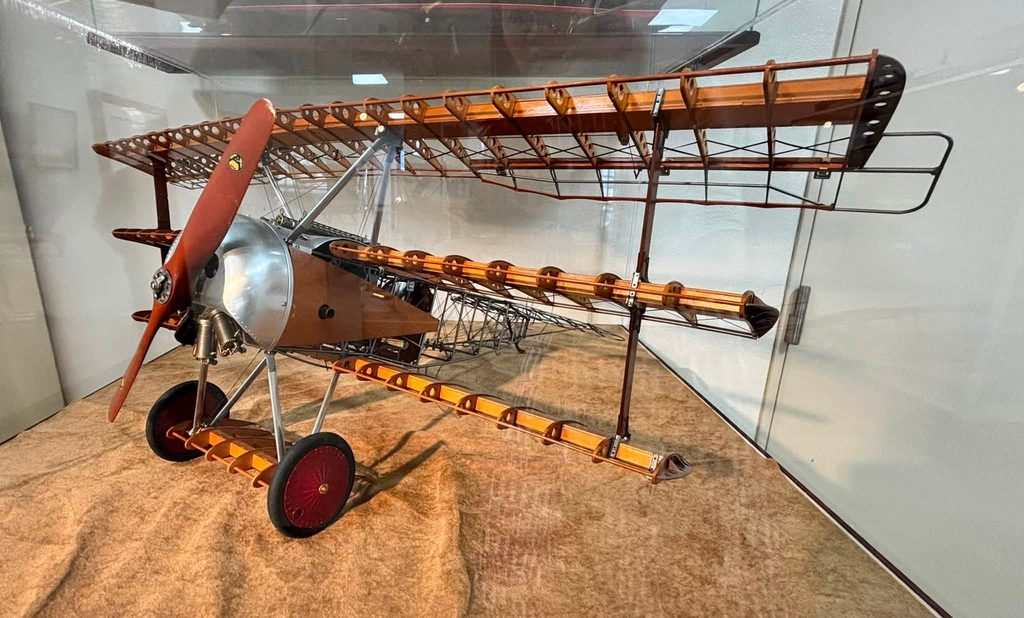
I’ve heard that when Hasegawa creates its models, it doesn’t just thoroughly research and verify the actual objects and reference materials to accurately scale them down—it also deliberately adds stylized elements to ensure they look authentic even in miniature.
"How to imitate the real thing."
It encompasses observation, research, design, technology, expression, and a craftsman’s spirit.
What's even more interesting is that model enthusiasts share their own ideas and techniques with one another, which in turn sparks the next wave of creativity.
Model-building isn't just about putting parts together; it involves observing, thinking, working with your hands, coming up with creative solutions, and finding your own answers.
That's STEAM learning in a nutshell!
What Japan takes pride in showing the world is not just the “objects” known as models.
Perhaps it’s the “culture of making” itself that lies behind it.
Moving beyond the export of models to the export of manufacturing culture and education.
From Shizuoka to the World.
I sensed the potential for the project to expand.
Profile
-


Digital Picture Book Author Professor, Keio University; Ph.D. (Policy and Media)
Director, B Lab
Chairperson, Learning of Tomorrow (General Incorporated Association)
Chairperson, CANVASAfter graduating from the Faculty of Engineering at the University of Tokyo, he served as a visiting researcher at the MIT Media Lab before founding the NPO CANVAS and the Learning of Tomorrow Association, a General Incorporated Association, and assuming the role of representative. He serves as an outside director for Matsuya Co., Ltd., Fuji Media Holdings, Inc., and Digital Garage, Inc.
He has served on various government committees, including the Information and Communications Council of the Ministry of Internal Affairs and Communications, as well as the NHK Central Broadcasting Program Council. He also serves as a director of the Digital Signage Consortium, among other roles. He holds a Ph.D. in Policy and Media.
His publications include *Turning On Children’s Creativity!*, *What Are Smart Kids Doing on Their Smartphones?*, *The Forefront of Online Education in Japan: Considering Learning in the Post-COVID Era*,“What Is Programming Education? 45 Questions Parents Want to Know,” and “Declaration on Digital Education.” He has also provided supervision for numerous works, including “Ah, I See! Programming Education for Parents and Children Through Manga.”





































4052047885.jpg )






























