CREATIVE KIDS TOP  Column What Is STEM/STEAM Education? Vol. 4: STEM Education and Programming Education




 Column What Is STEM/STEAM Education? Vol. 4: STEM Education and Programming Education
While opportunities to be interviewed or asked questions about STEM education have surged, in Japan, even when the topic is STEM education, I am often asked about the content of programming education.While STEM education encompasses programming education—though the two are not synonymous—I believe the programming education movement and the STEM education movement are closely related, as information technology is a defining characteristic of STEM education in the Society 5.0 era. In particular, I consider the move to make programming education mandatory in Japan to be a STEM-oriented initiative.
The background for making programming education mandatory is that “Society 5.0”—the fifth wave of civilizational renewal driven by technologies such as AI and IoT—has the potential to bring about transformation not only in industry but in all aspects of society, culture, and daily life; this is precisely why it has come to be discussed as a critical educational issue for everyone.Because computers have become integrated into and established themselves in all kinds of objects, fields, and environments—supporting every aspect of our lives, culture, society, and economy—programming has become a fundamental skill necessary for everyone. The same could be said if we were to rephrase “programming” as “STEM.”
Furthermore, the goal of programming education is to help students understand the characteristics of computers through hands-on experience, recognize how computers are utilized in their daily lives, cultivate the logical and creative thinking skills necessary for problem-solving, and develop an attitude that seeks to use computers to build better lives and societies.Furthermore, rather than creating a new subject dedicated to programming, schools are being asked to develop a cross-curricular curriculum by incorporating programming into the units of each existing subject.Learning through this cross-curricular approach aims to foster the ability to integrate and apply fragmented knowledge, while also deepening students’ understanding of each subject. Furthermore, through collaboration with the broader community, programming education is expected to contribute to a “curriculum open to society.” The “knowledge and skills in STEM fields” mentioned earlier
,“the ability to apply them,” and “21st-century skills such as logical thinking and creativity”—as well as common elements in the learning methods used to achieve these goals, such as “interdisciplinary and integrated,” “project-based,” and “practical within a societal context.”
In the promotion of STEM education in other countries, collaboration among industry, academia, and government, as well as collaboration between public education and community-based education, is often emphasized—a similarity to the Japanese approach, which advocates for a curriculum open to society through programming education.


What Is STEM/STEAM Education? Vol. 7: Conclusion
https://creativekids.jp/?p=18651
What Is STEM/STEAM Education? Vol. 6: The Current Situation in Japan
https://creativekids.jp/?p=18648
What Is STEM/STEAM Education? Vol. 5: The Global Landscape
https://creativekids.jp/?p=18643
What Is STEM/STEAM Education? Vol. 4: STEM Education and Programming Education
https://creativekids.jp/?p=18640
What Is STEM/STEAM Education? Vol. 3 What Is STEM Education?
https://creativekids.jp/?p=18637
What Is STEM/STEAM Education? Vol. 2 STEM Literacy as a Fundamental General Education Skill
https://creativekids.jp/?p=18633
What Is STEM/STEAM Education? Vol. 1: Social Change
https://creativekids.jp/?p=18628


Professor, Keio University; Ph.D. (Policy and Media)
Director, B Lab
Chairperson, Learning of Tomorrow (General Incorporated Association)
Chairperson, CANVAS
After graduating from the Faculty of Engineering at the University of Tokyo, he served as a visiting researcher at the MIT Media Lab before founding the NPO CANVAS and the Learning of Tomorrow Association, a General Incorporated Association, and assuming the role of representative. He serves as an outside director for Matsuya Co., Ltd., Fuji Media Holdings, Inc., and Digital Garage, Inc.
He has served on various government committees, including the Information and Communications Council of the Ministry of Internal Affairs and Communications, as well as the NHK Central Broadcasting Program Council. He also serves as a director of the Digital Signage Consortium, among other roles. He holds a Ph.D. in Policy and Media.
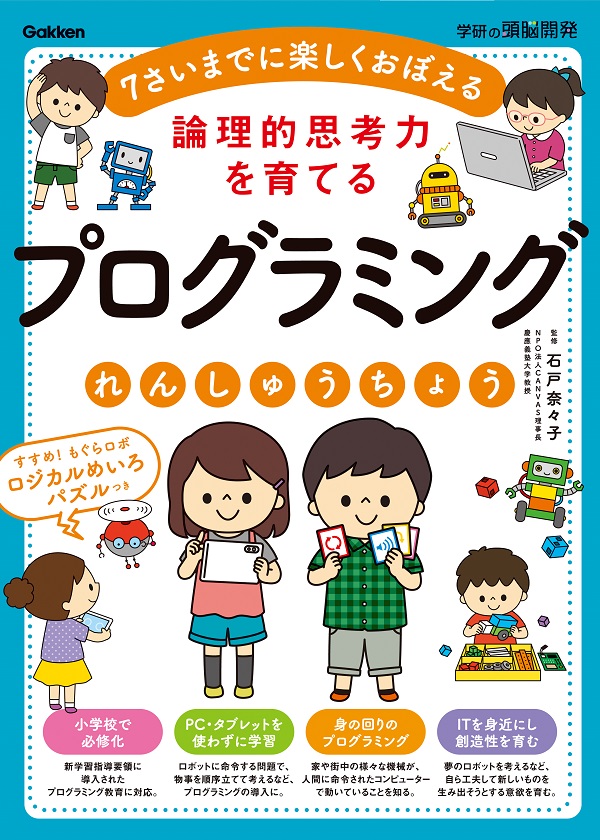
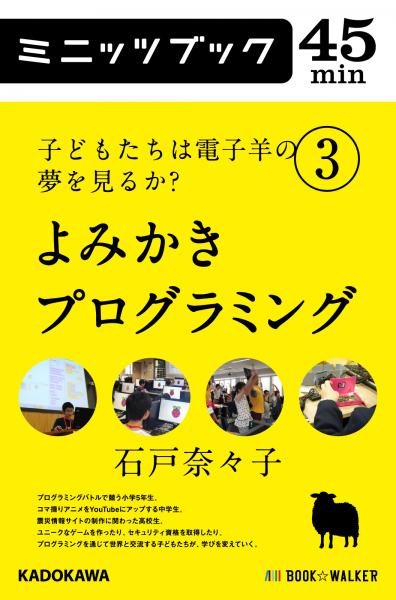
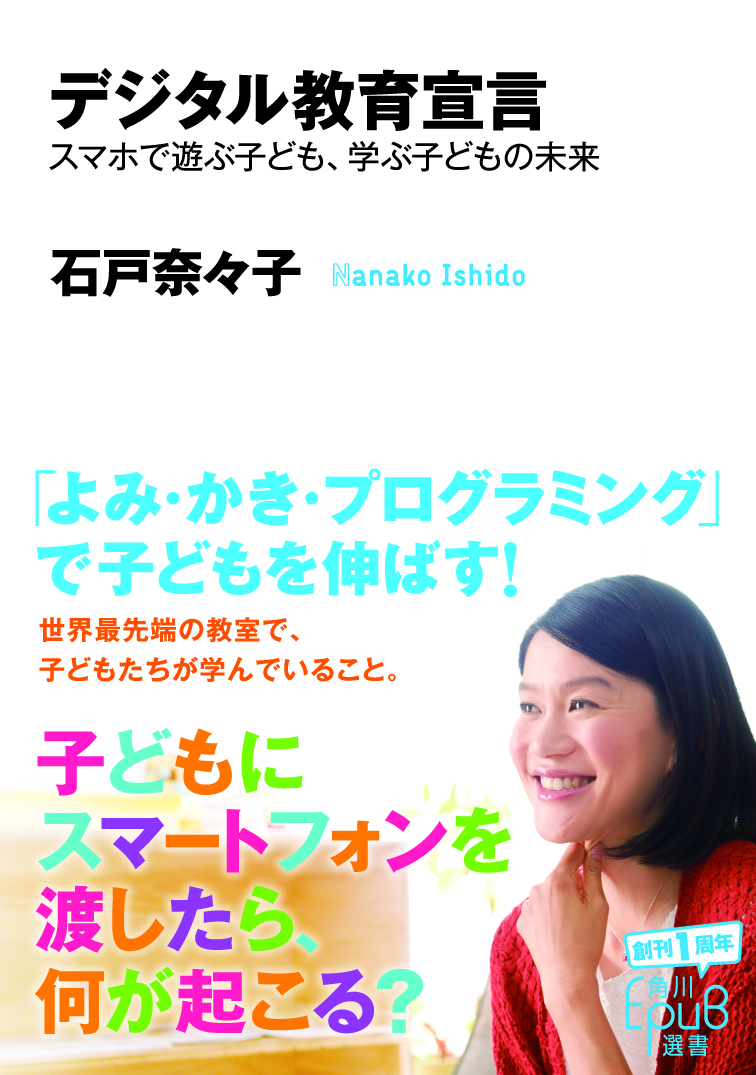
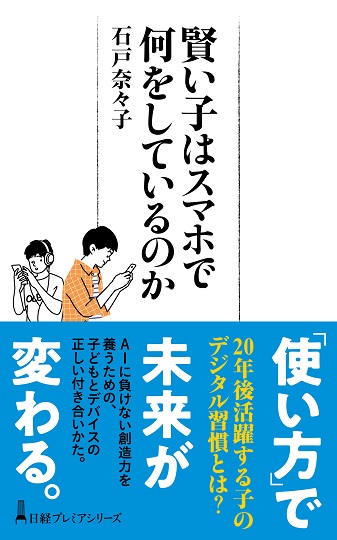
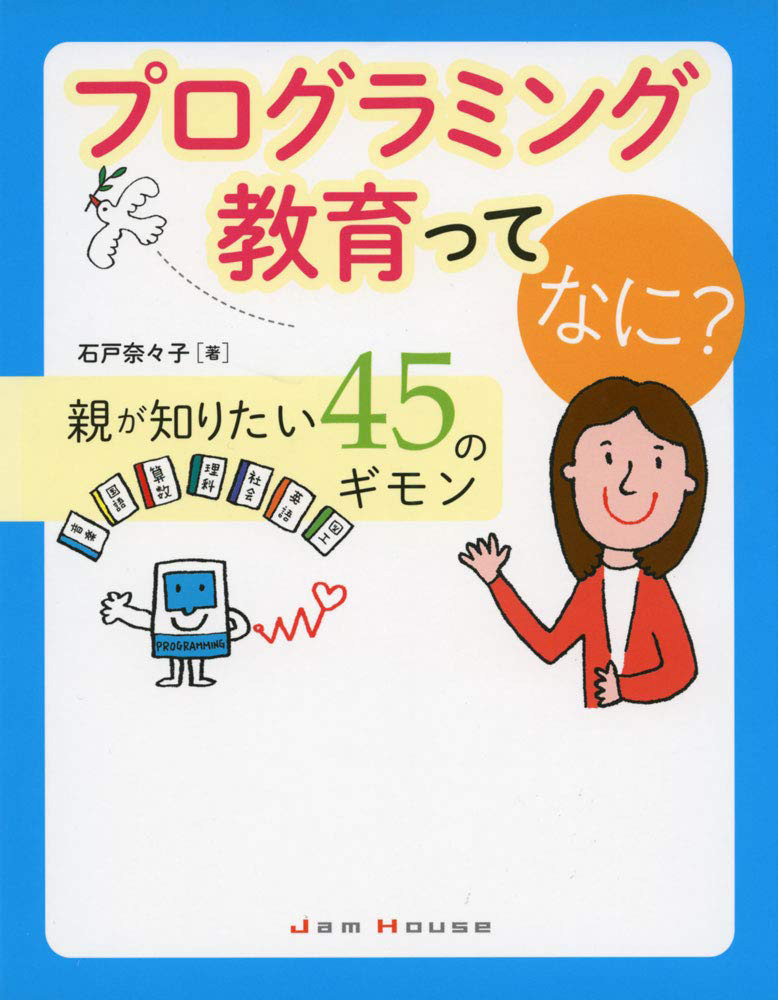
His publications include *Turning On Children’s Creativity!*, *What Are Smart Kids Doing on Their Smartphones?*, *The Forefront of Online Education in Japan: Considering Learning in the Post-COVID Era*,“What Is Programming Education? 45 Questions Parents Want to Know,” and “Declaration on Digital Education.” He has also provided supervision for numerous works, including “Ah, I See! Programming Education for Parents and Children Through Manga.”













4052047885.jpg )